Why Transparent Pricing Builds Customer Trust in 2025
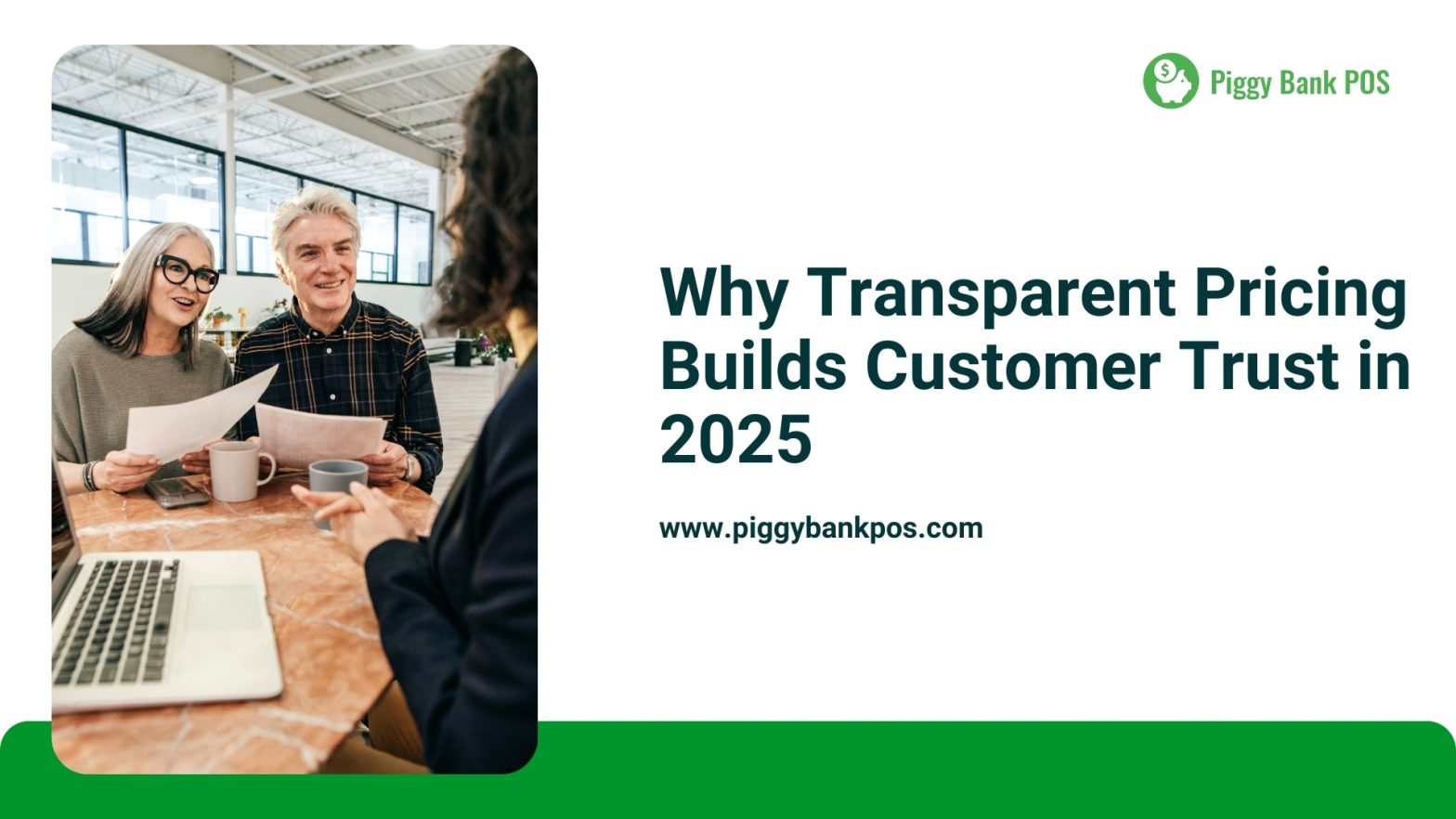
In a rapidly evolving digital landscape, customers are more informed, connected, and discerning than ever before. A simple Google search or app review can reveal pricing inconsistencies, hidden charges, or better deals elsewhere. In such a competitive environment, transparent pricing is no longer optional; it is a cornerstone of customer trust.
1. Customers Demand Clarity and Fairness
By 2025, consumers don’t just want products or services; they want assurance that they’re getting fair value. Hidden fees, vague discounts, or complex tiered pricing can lead to frustration and distrust. Transparent pricing gives customers peace of mind, signalling that your business is honest, reliable, and respects their investment.
2. Builds Credibility and Strengthens Brand Reputation
When pricing is clear, businesses automatically appear more credible. Customers are likely to trust brands that openly communicate costs and breakdowns, reducing disputes and complaints. In an era where online reviews and social media amplify both praise and criticism instantly, a transparent pricing strategy can make your brand a trusted voice in the market.
3. Enhances Customer Experience and Decision-Making
Transparent pricing is more than just a business tactic, it’s an experience enhancer. Customers can make informed decisions quickly without guesswork. Clear pricing simplifies comparison, reduces anxiety, and increases the likelihood of repeat purchases. When consumers feel confident about what they’re paying for, satisfaction skyrockets.
4. Fosters Loyalty and Positive Advocacy
Transparency builds emotional trust. Customers appreciate businesses that are upfront, and they reward that honesty with loyalty. They are also more likely to recommend your brand to friends, family, and colleagues. In 2025, where word-of-mouth and social proof dominate buying decisions, transparent pricing turns customers into advocates.
5. Supports Digital Transformation and Modern Retail Trends
As retail increasingly goes digital, integrating transparent pricing with modern POS and payment systems becomes crucial. Customers expect real-time pricing accuracy, clear invoicing, and seamless checkout experiences. Businesses that embrace transparency align with the trends of automation, mobile payments, and digital receipts, offering a frictionless experience that modern consumers crave.
Conclusion
Transparent pricing is no longer a nice-to-have; it’s a competitive advantage in 2025. By being clear, fair, and upfront, businesses can enhance customer experience, foster loyalty, and build a strong, trustworthy brand image.
Retailers looking to implement transparent pricing seamlessly can rely on Piggy Bank POS. With its intuitive interface, real-time pricing updates, and accurate invoicing, Piggy Bank POS ensures every customer transaction is clear, efficient, and trust-building.
👉 Visit www.piggybankpos.com
#TransparentPricing #CustomerTrust #RetailInnovation #POSSystem #PiggyBankPOS #SmartRetail #DigitalPayments #CustomerExperience #BusinessEthics #2025RetailTrends
Releted Posts

5 Proven Ways to Increase Foot Traffic to Your Retail Store
In today’s digital-first world, getting customers to step into your physical store can be a challenge. But the truth is when people walk through your doors, they’re far more likely to buy, engage, and become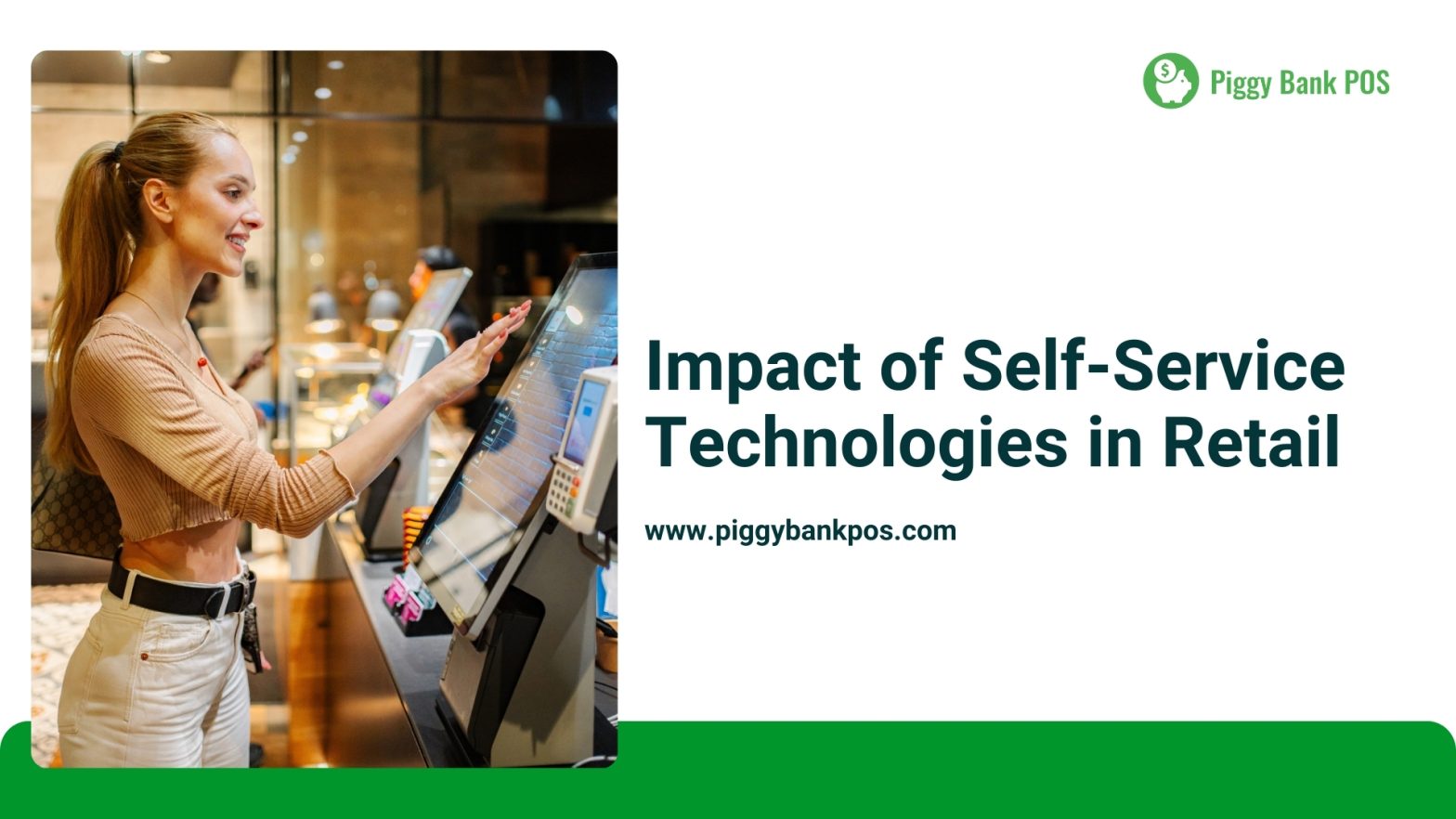
Impact of Self-Service Technologies in Retail
The retail industry is embracing self-service technologies as a way to enhance the customer experience, improve operational efficiency, and reduce costs. From self-checkout kiosks to mobile apps that allow customers to scan and pay for