5 Proven Ways to Increase Foot Traffic to Your Retail Store
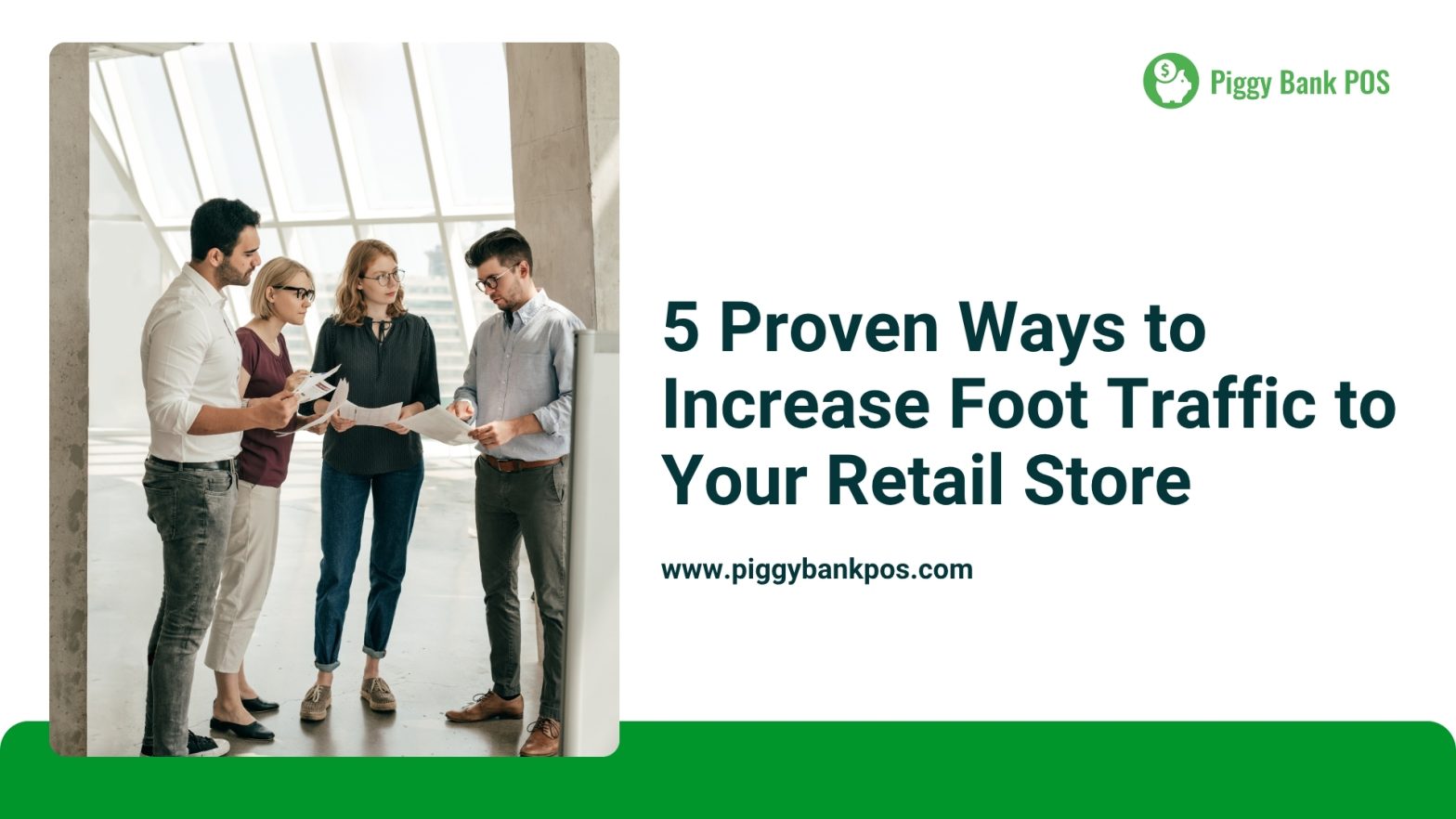
In today’s digital-first world, getting customers to step into your physical store can be a challenge. But the truth is when people walk through your doors, they’re far more likely to buy, engage, and become loyal fans. Whether you’re a boutique, café, or tech shop, increasing in-store traffic doesn’t have to be complicated. Here are five proven ways to make it happen 👇
1️⃣ Create an Unforgettable In-Store Experience
Online shopping may be convenient, but it can’t replace the human touch. Focus on creating an experience that customers want to visit: warm lighting, clean layout, friendly staff, and interactive displays. Offer small touches like a free sample, product demo, or a scent that makes your store memorable.
Pro Tip: People remember how your store made them feel and make every visit an experience worth sharing.
2️⃣ Leverage Social Media to Drive Visits
Turn your online followers into offline customers. Use Instagram Stories, Reels, and Facebook Events to showcase limited-time offers, behind-the-scenes videos, or product launches. Encouraging customers to tag your location when they visit user-generated content builds trust and visibility fast.
Try This: Offer a small discount or freebie when customers show they follow you online at checkout.
3️⃣ Host Events and Pop-Ups
Events are magnets for foot traffic. From product launches to workshops or mini celebrations, events create buzz and urgency. Partner with local creators or complementary businesses to attract their audiences too.
Example: A coffee shop can host a “Latte Art Challenge,” or a clothing store can hold a “Style & Sip” evening. People love unique experiences.
4️⃣ Use Local SEO & Google Maps
When people search “near me,” make sure your store shows up. Keep your Google Business Profile updated with photos, timings, reviews, and special promotions. Encouraging happy customers to leave positive reviews they act as digital word-of-mouth.
Quick Tip: Use keywords like “best boutique in [your city]” or “top gift shop near me” in your online listings and social posts.
5️⃣ Reward Loyal Customers & First-Time Visitors
A well-designed loyalty program encourages repeat visits. Offer points, cashback, or special birthday perks. And don’t forget first-time visitors surprise them with a small welcome discount to make that first visit special.
Pro Tip: Send personalized offers or thank-you messages to keep customers coming back.
💡 Turn Foot Traffic into Loyal Customers with Piggy Bank POS
Once customers step in, make every visit count. Piggy Bank POS helps you track customer preferences, manage loyalty rewards, and analyze buying patterns to boost repeat sales. Combine great experiences with smart data to grow faster.
👉 Visit www.piggybankpos.com to discover how the right POS system can help your retail store thrive.
#RetailMarketing #FootTraffic #SmallBusinessGrowth #RetailTips #PiggyBankPOS #POSSystem #RetailSuccess #RetailInnovation #CustomerLoyalty #InStoreExperience #RetailGrowth
Releted Posts
5 Hidden Costs That Are Killing Retail Margins
Running a retail business today isn’t just about selling more, it’s about protecting the margins you already have. Many retailers focus only on visible expenses like rent, salaries, and inventory. But the real profit killers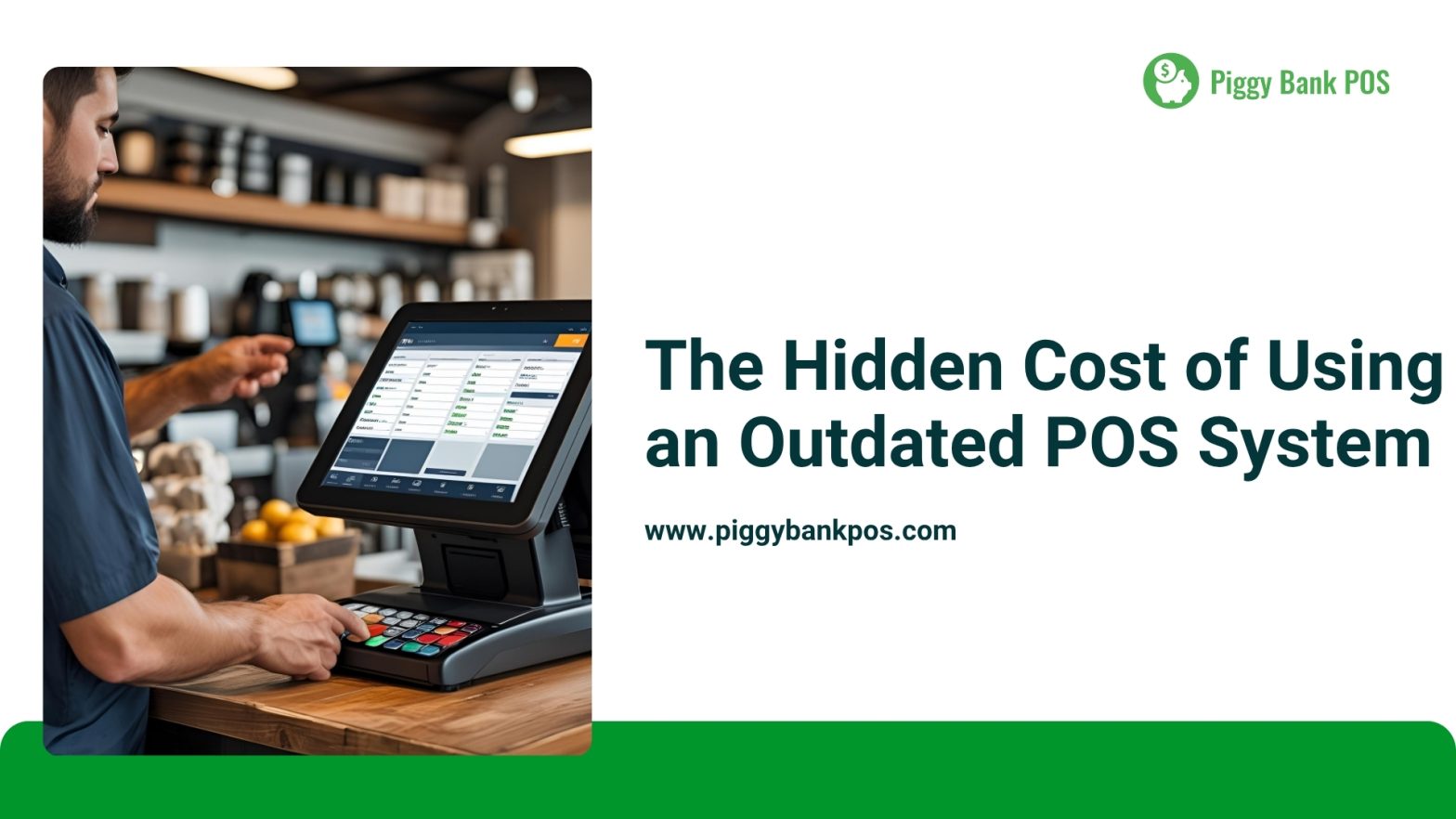
The Hidden Costs of Using an Outdated POS System
In today’s fast-paced retail and service environments, your Point-of-Sale (POS) system isn’t just a tool—it’s the nerve center of your business. While many business owners focus on visible costs like equipment and transaction fees, the