Why Retailers Lose Customers After Checkout
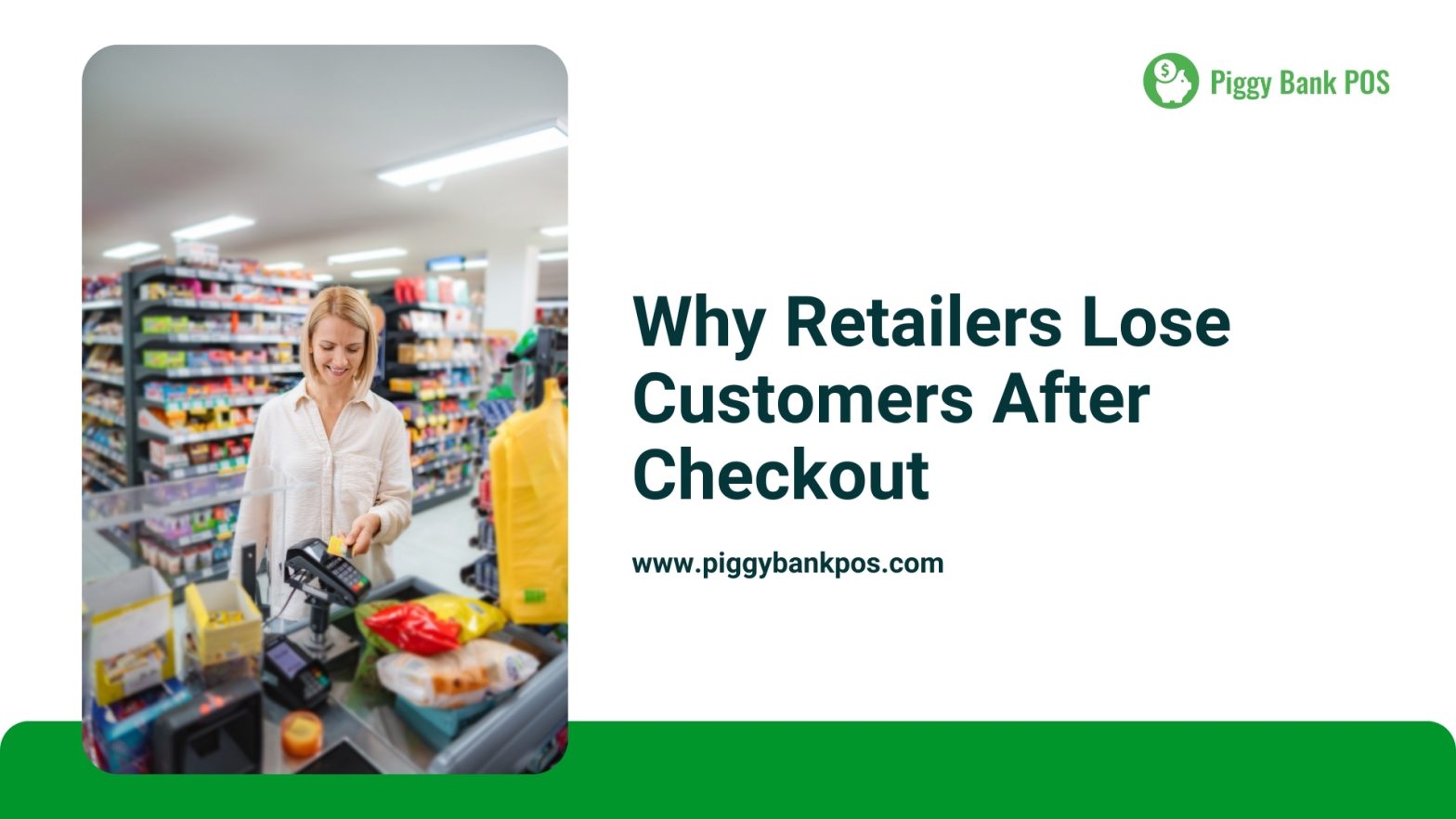
In today’s highly competitive retail environment, the checkout process is just the beginning of a customer’s journey with a brand. While retailers often focus on attracting customers and making the sale, many overlook the critical steps that happen after checkout. The truth is, losing customers after they make a purchase is more common than many think, and it can have a significant impact on long-term loyalty, repeat business, and overall success.
So, why are retailers losing customers after checkout? Let’s explore the key reasons and how businesses can improve their post-checkout experience.
1. Long Delivery Times and Shipping Delays
One of the most significant factors causing retailers to lose customers after checkout is the lack of reliable and fast shipping options. In the age of same-day and next-day delivery, consumers expect their orders to arrive quickly. When retailers fail to meet these expectations, or when shipping takes too long, customers can become frustrated and decide not to return for future purchases.
Why it matters: Retailers that offer fast, reliable delivery options have a competitive edge in maintaining customer loyalty.
2. Lack of Clear Communication Post-Purchase
After checkout, customers want to know exactly what happens next. Whether it’s an order confirmation, tracking number, or delivery updates, clear communication is essential. If retailers fail to keep customers informed, whether through email or text, it creates uncertainty and can lead to frustration. Customers may feel neglected and seek other brands that offer more transparent communication.
Why it matters: Transparent, timely communication builds trust and helps reinforce a positive shopping experience.
3. Unresolved Post-Purchase Issues
When issues arise after checkout—whether it’s an incorrect order, missing items, or damaged goods poor customer service can turn a positive shopping experience into a negative one. If a retailer does not quickly and efficiently address post-purchase concerns, customers are likely to feel neglected and may not return. An easy, straightforward return or exchange process is essential for customer retention.
Why it matters: Efficient and hassle-free post-purchase support is crucial in retaining customers and building loyalty.
4. Lack of Personalization After Purchase
Retailers often lose customers after checkout because they fail to continue the personalization that made the initial purchase experience engaging. Once a customer completes their transaction, the retailer’s focus often shifts away from the individual. Failing to personalize post-purchase interactions such as recommending related products or offering tailored discounts can lead customers to feel like just another number.
Why it matters: Personalized experiences after checkout can increase customer satisfaction and drive repeat purchases.
5. Complicated Loyalty Programs
Many retailers have loyalty programs designed to encourage repeat purchases, but if these programs are too complicated or difficult to use, customers may lose interest. A confusing sign-up process, unclear rewards, or difficulty redeeming points can lead to frustration and lost loyalty. Keeping programs simple and easy to understand is essential for long-term customer retention.
Why it matters: Clear, easy-to-use loyalty programs can significantly boost repeat business.
Final Thoughts
Retailers that focus solely on the checkout process and ignore what happens afterward may be missing out on valuable opportunities for customer retention and growth. By improving post-purchase communication, addressing customer issues promptly, offering easy returns, and engaging customers in meaningful ways, retailers can reduce the risk of losing customers and create long-lasting relationships.
To help streamline your retail operations and improve customer retention, Piggy Bank POS offers an intuitive point-of-sale system designed to help with sales tracking, inventory management, and customer engagement.
Learn more at www.piggybankpos.com and optimize your post-purchase experience.
#RetailCustomerExperience #CustomerRetention #PostPurchaseEngagement #RetailTrends #PiggyBankPOS #CustomerLoyalty #SalesTracking #RetailStrategy #POSSystem
Releted Posts
5 Strategies for Successful Fresh Inventory Management
Managing fresh inventory—such as perishable goods, produce, or seasonal items—requires precision, efficiency, and the right strategies to prevent spoilage, reduce waste, and maximize profits. Unlike regular inventory, fresh products have shorter shelf lives, making it
2026 Retail Trends What’s Staying and What’s Going
As we step into 2026, the retail industry is undergoing significant transformations. From emerging technologies to changing consumer preferences, understanding what’s staying and what’s going will be crucial for retailers looking to stay competitive. Here’s