Sustainable Packaging Ideas for Modern Retail Brands
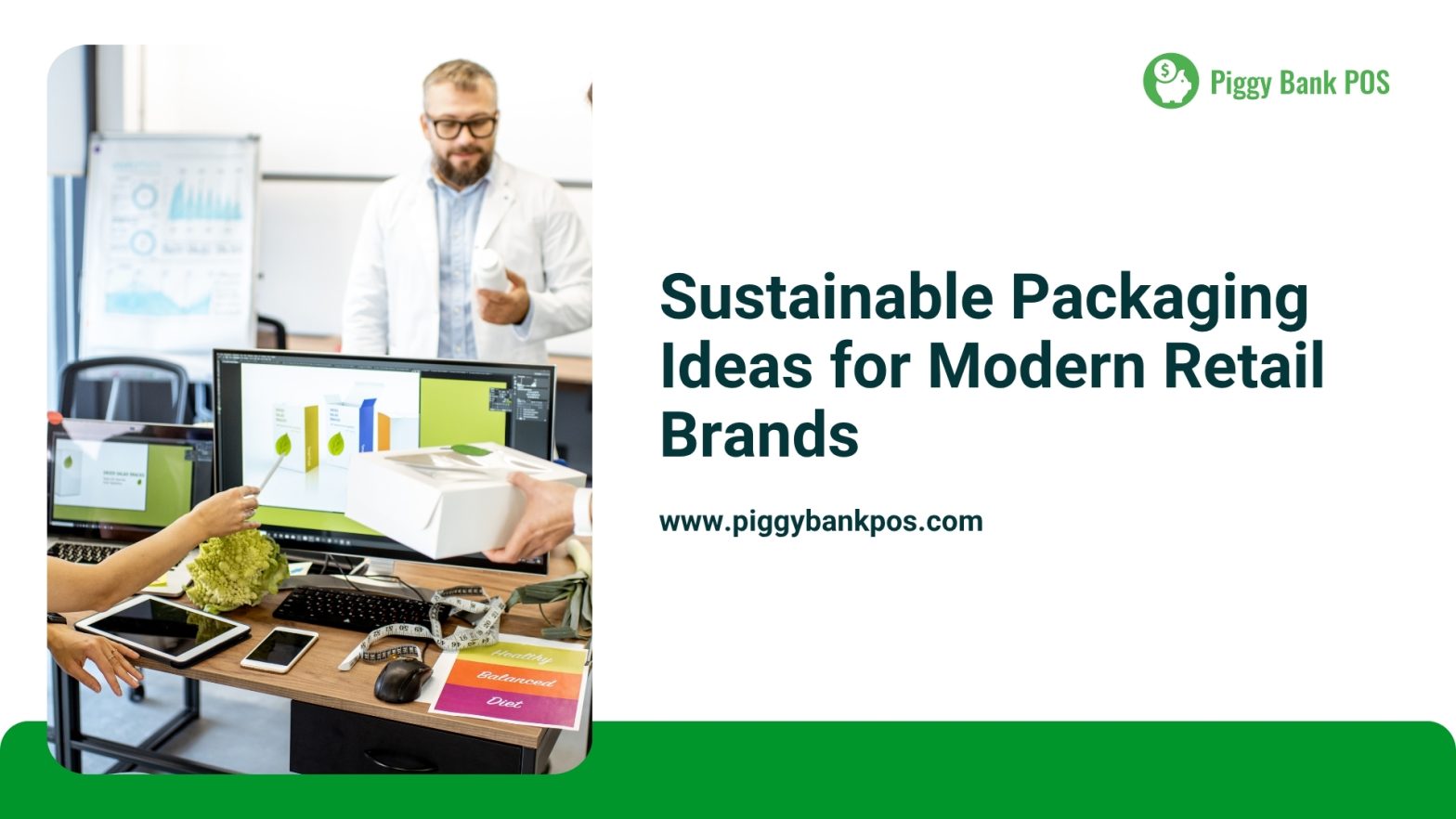
In today’s eco-conscious market, sustainable packaging isn’t just about doing good, it’s about building trust and standing out. Modern customers prefer brands that value the planet, reduce waste, and embrace responsible business practices. Here are five smart and effective packaging ideas that help your retail brand go green while staying stylish. 🌿
♻️ 1. Choose Recycled & Biodegradable Materials
Switch from plastic to sustainable materials like recycled cardboard, kraft paper, bamboo, or cornstarch-based bioplastics. These eco-friendly materials decompose naturally and make your brand look responsible and forward-thinking. Bonus: they give your packaging a clean, premium, “earth-friendly” aesthetic that customers love.
🌱 2. Go Minimal with Your Design
Cutting down on packaging doesn’t just save materials, it sends a clear message that your brand values simplicity and sustainability. Minimalist packaging reduces environmental waste, lowers costs, and appeals to modern shoppers who prefer less clutter and more purpose.
🧴 3. Introduce Reusable Packaging Options
Encourage your customers to reuse jars, boxes, or cloth bags. Offer a “refill and save” or “return for reward” program. This not only reduces packaging waste but also increases customer retention. When people reuse your packaging, your brand stays visible long after the first purchase.
🏷️ 4. Use Eco-Friendly Printing & Labelling
Traditional inks often contain harmful chemicals. Switching to soy-based or water-based inks makes your packaging safer for the environment and gives it a natural, authentic look. Add clear labels about recyclability and proper disposal of small steps that make a big impression.
🌍 5. Source Locally & Reduce Shipping Waste
Partner with local packaging suppliers to cut down on carbon emissions and delivery costs. Use eco-friendly filler materials like shredded paper or cornstarch peanuts instead of plastic bubble wrap. This approach supports local economies while keeping your packaging lightweight and sustainable.
Sustainability is no longer just an option, it’s a responsibility that customers expect. When your brand takes visible steps toward greener practices, it not only attracts conscious consumers but also builds long-term loyalty. 🌎
Piggy Bank POS helps you extend that eco-friendly mindset beyond packaging. With features like digital receipts, you can eliminate paper waste entirely giving your customers a greener checkout experience. Plus, our Cash Discount Program helps you reduce processing fees while promoting fair, transparent pricing. Whether you run a boutique, salon, or café, Piggy Bank POS empowers your business to grow sustainably, efficiently, and responsibly.
🌿 Start your journey toward smarter, greener retail today.
👉 Visit www.piggybankpos.com
#PiggyBankPOS #SustainableRetail #EcoFriendlyPackaging #GreenBusiness #POSwithPurpose #RetailInnovation #DigitalReceipts #CashDiscountProgram #EcoFriendlyPOS
Releted Posts
Stop Paying for POS – Make It Pay You
In the retail world, the point-of-sale (POS) system is often viewed as a necessary cost of doing business. It processes payments, tracks sales, and maybe helps with inventory – but at the end of the
The Rise of Circular Retail: Resale & Repair Revolution
In a world where fast fashion and mass production once dominated, today’s shoppers are pushing for something different: sustainability, longevity, and responsibility. The modern consumer wants to make purchases that feel good, not just look