How Retailers Are Using Predictive Analytics to Stay Ahead of Trends
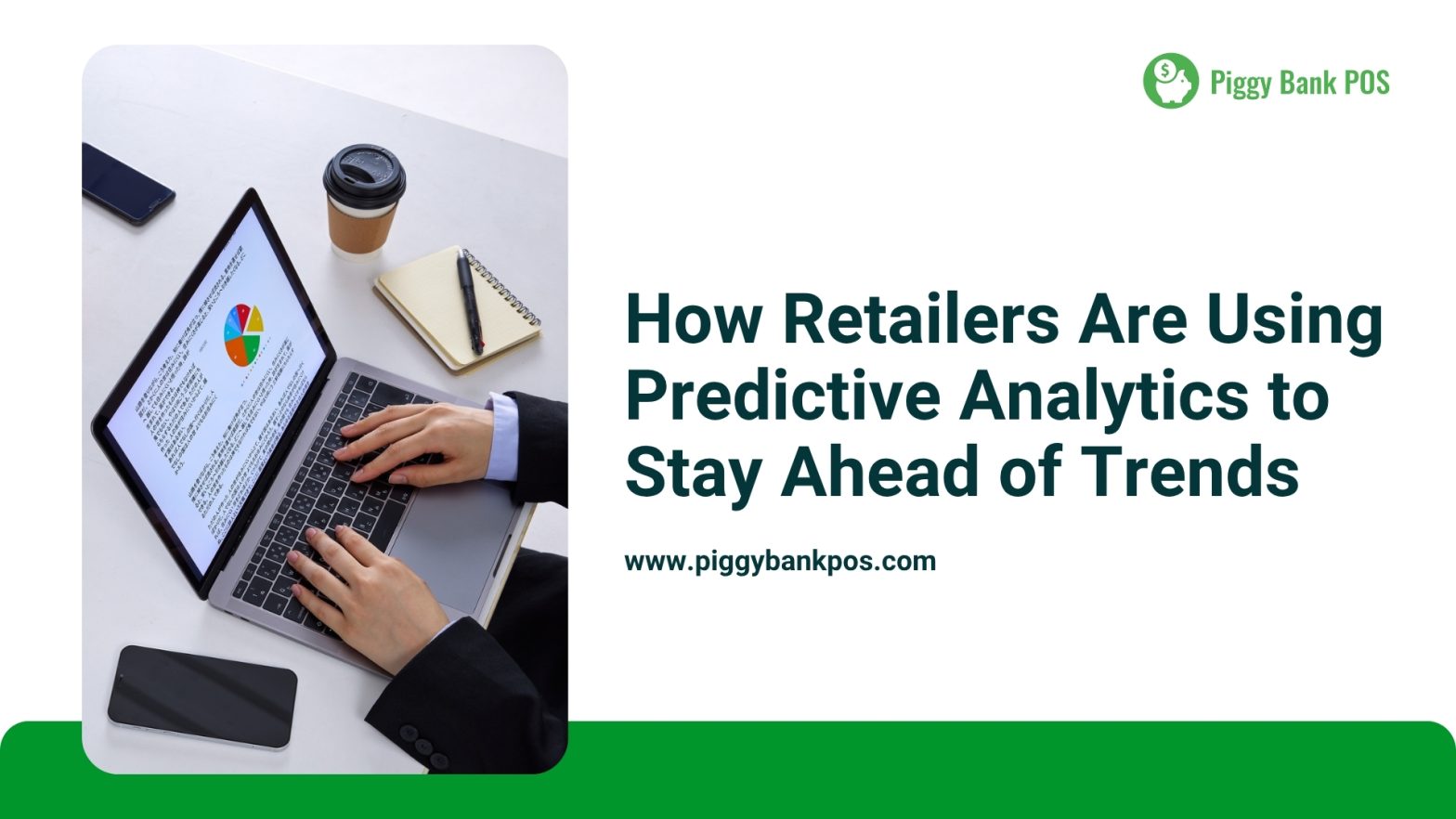
In the modern retail world, success depends on anticipation not reaction. Retailers are now using predictive analytics to turn raw data into actionable insights, helping them understand what customers want before they even ask. By analysing buying patterns and market signals, businesses can plan smarter, adapt faster, and stay ahead of shifting retail trends.
Here are 5 powerful ways retailers are using predictive analytics to lead the market:
1. Predicting Customer Demand Accurately
One of the most impactful uses of predictive analytics in retail is demand forecasting. By analysing past sales, weather data, seasonal trends, and even social media activity, retailers can predict which products will be in high demand.
This helps businesses avoid overstocking slow-moving items or running out of best-sellers keeping both shelves and customers happy.
Example: A clothing retailer can anticipate a spike in winter coat sales weeks before temperatures drop and plan inventory accordingly.
2. Personalising the Shopping Experience
Retailers now use predictive analytics to deliver personalized recommendations based on customer preferences, behaviour, and purchase history.
For instance, e-commerce stores display “recommended for you” products that match a shopper’s previous choices, increasing the chances of repeat purchases and boosting customer loyalty.
Result: A more engaging and tailored shopping experience that drives higher conversions.
3. Optimising Pricing Strategies
Predictive analytics enables dynamic pricing, where retailers adjust prices in real time based on factors like demand, competition, and inventory levels.
This ensures businesses stay profitable while offering customers competitive deals. Retailers can also identify the best time to run discounts or flash sales for maximum impact.
Example: Online marketplaces like Amazon use predictive models to constantly optimize product pricing and stay ahead of competitors.
4. Preventing Stockouts and Overstocking
Managing inventory efficiently is one of the toughest challenges in retail. Predictive analytics helps retailers maintain the right stock at the right time.
It forecasts when certain products will run low and signals when to reorder. This minimises carrying costs and prevents losses from unsold goods.
Benefit: Fewer lost sales, lower storage costs, and smoother operations all backed by data, not guesswork.
5. Spotting Emerging Market Trends Early
Retailers who understand future trends can lead the market instead of chasing it. Predictive analytics identifies patterns in customer behaviour, new product interests, and regional shifts in demand often before they become mainstream.
This helps brands design marketing campaigns or introduce new product lines just in time to meet customer expectations.
Example: Beauty retailers track search trends and social media engagement to launch products that align with upcoming beauty trends.
Final Thought
Predictive analytics is no longer a luxury; it’s a must-have for retailers aiming to stay competitive and profitable. From forecasting demand to personalising offers, it gives retailers a powerful edge in understanding customers and planning ahead.
👉 Piggy Bank POS empowers small retailers with built-in analytics tools to track sales, forecast inventory, and uncover insights that drive smarter decisions.
🔗 Visit www.piggybankpos.com to discover how data-driven retail can transform your business.
#PiggyBankPOS #RetailAnalytics #PredictiveAnalytics #RetailInnovation #POSSystem #SmallBusiness #RetailTrends #SmartRetail
Releted Posts
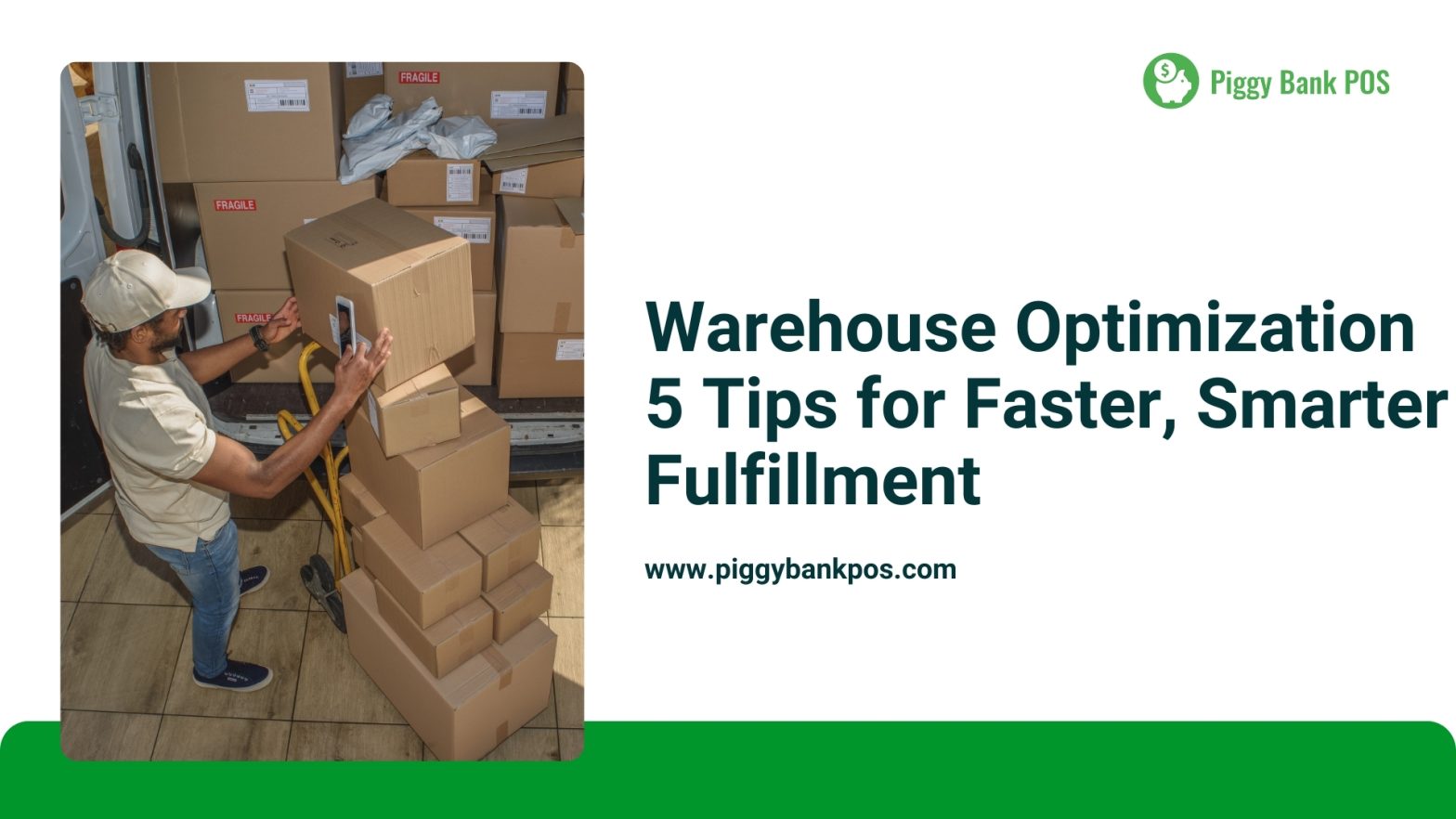
Warehouse Optimization: 5 Tips for Faster, Smarter Fulfillment
In the world of warehousing and fulfillment, speed and accuracy are everything. Whether you’re shipping direct-to-consumer or handling B2B orders, optimizing your warehouse can drastically improve productivity, reduce costs, and boost customer satisfaction. Here are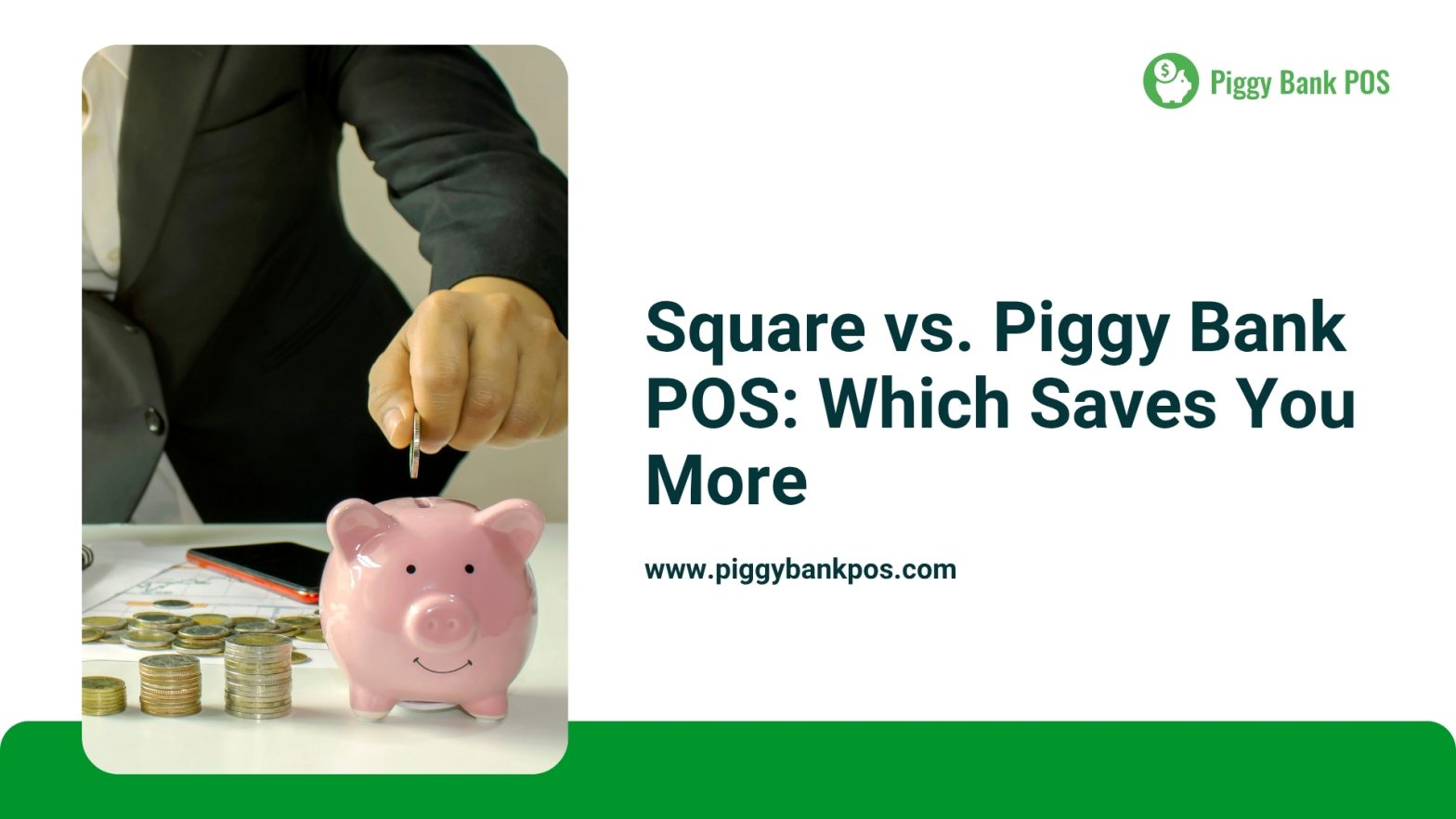
Square vs. Piggy Bank POS: Which Saves You More?
When choosing a Point-of-Sale system, small business owners often turn to well-known names like Square—but brand recognition doesn’t always equal better value. If you’re serious about cutting costs and improving business operations, it’s time to