Why Retailers Are Moving Away from Absorbing Payment Processing Fees
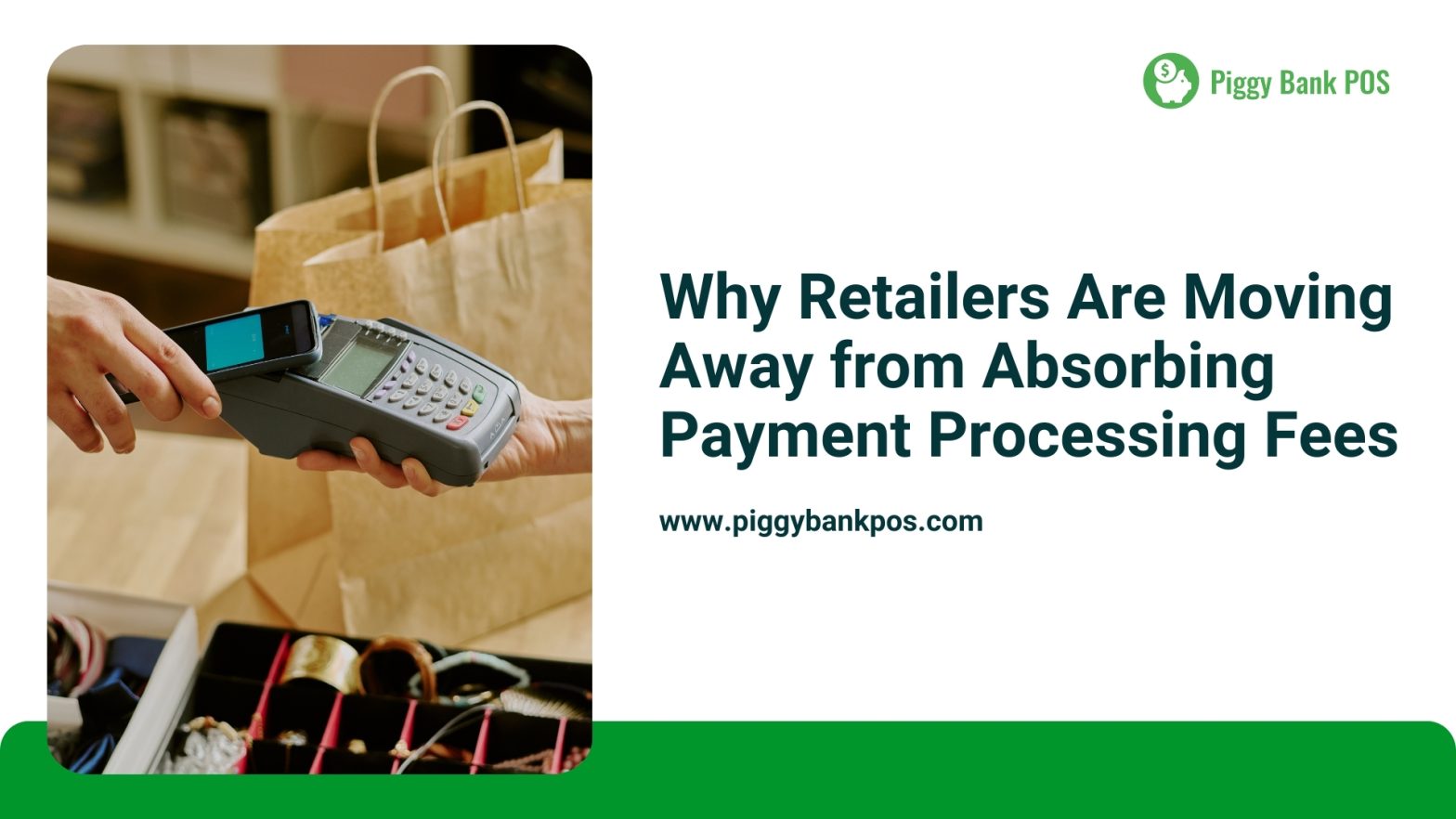
In recent years, retailers have faced growing pressure to manage their costs while maintaining profitability. One significant area where many businesses have traditionally absorbed costs is in payment processing fees. These fees, often charged by payment processors, are a part of every transaction -yet for many years, retailers have swallowed these costs as a part of doing business. However, the tides are shifting, and more and more retailers are choosing to pass these fees on to the customer. But why is this happening?
1. Rising Payment Processing Fees
Payment processors charge a variety of fees, including transaction fees, interchange fees, and gateway fees. Over the past decade, these fees have steadily risen, eating into a retailer’s profit margin. As businesses recover from the impact of the COVID-19 pandemic, many are scrutinizing their expenses more carefully, and the costs associated with payment processing are becoming harder to ignore.
2. Increased Transaction Volume
The shift to digital payments has drastically increased the volume of transactions retailers handle. With more customers opting for card payments, contactless payments, and online transactions, retailers are incurring higher fees at an unprecedented scale. Some businesses are finding it challenging to absorb these costs, especially in highly competitive markets where profit margins are tight.
3. Changing Customer Expectations
Today’s consumers are accustomed to paying for convenience whether it’s free shipping, discounts, or loyalty rewards. However, they are becoming less tolerant of hidden fees that affect the total cost of their purchase. Retailers that absorb payment processing fees are effectively masking the true cost of transactions, which can lead to frustration for customers when those fees eventually show up in other areas, like product price hikes. Transparent pricing is becoming more important, with customers preferring to know upfront what they’ll pay, including any extra charges.
4. The Rise of “Surcharge” Fees
To mitigate the impact of payment processing costs, many retailers have opted to pass these fees directly onto consumers through surcharges or convenience fees. This allows businesses to continue offering multiple payment options while offsetting the added cost. Although the idea of passing along fees to customers has drawn mixed reactions, it’s a growing trend that many businesses are exploring. In certain regions or industries, this practice is even being legislated to ensure fairness and transparency.
5. The Need for Control and Flexibility
As payment processors and their fees are often beyond the control of the retailer, many businesses are seeking more control over their financial operations. By passing on payment processing fees, they can better predict and manage their expenses, especially in an environment where margins are under constant pressure. This practice can provide greater flexibility in pricing, helping retailers protect their bottom line.
Conclusion: The Changing Landscape of Payment Processing
As retailers shift away from absorbing payment processing fees, it’s clear that the landscape of payment methods is evolving. Retailers must carefully weigh their options whether it’s implementing surcharges, changing pricing models, or seeking out more cost-effective payment solutions.
For businesses looking to streamline their operations and minimize the impact of these fees, Piggy Bank POS is a powerful point-of-sale system that can help manage payment processing more effectively. By integrating cost-saving tools and offering transparent pricing, Piggy Bank POS gives retailers greater control over their financial transactions, allowing them to focus on what truly matters: delivering great customer experiences.
Learn more at www.piggybankpos.com and streamline your payment processing today.
#PaymentProcessing #RetailSolutions #PiggyBankPOS #BusinessEfficiency #SmallBusinessSupport #CostSavings #POSSystem
Releted Posts
How a POS System Can Increase Sales and Improve Customer Experience
A seamless, efficient, and engaging customer experience can make all the difference. This is where a Point of Sale (POS) system steps in as a game-changer. A modern POS system not only streamlines transactions but
3 Secrets Retailers Need to Know About Customer Buying Behavior
Running a retail business today takes more than stocking shelves and offering competitive prices. In an age where customers are bombarded with ads, deals, and choices, what really sets successful retailers apart is their understanding