US Retail Sales Rise, Wholesale Inflation Ticks Up
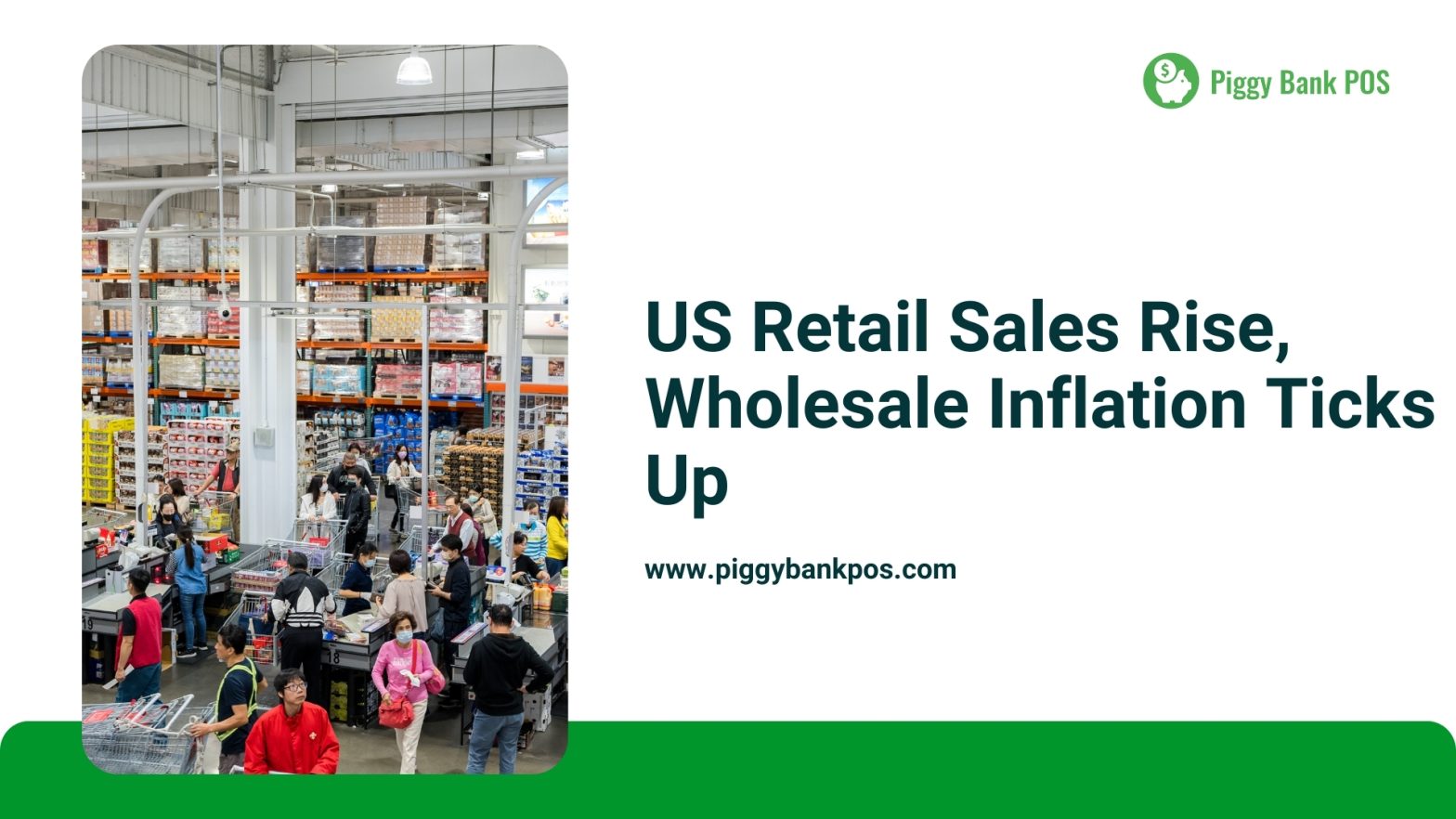
In the latest economic update, US retail sales have shown positive growth, signaling a stronger consumer demand despite ongoing challenges. However, wholesale inflation has also ticked up, creating a mixed outlook for businesses in 2026. Retailers are facing a delicate balancing act managing rising costs while trying to keep up with growing demand. Let’s dive into the key factors behind this trend and explore how businesses can navigate these changes effectively.
1. Retail Sales Growth Signals Consumer Confidence
The rise in retail sales is a positive indicator of consumer confidence. Shoppers are spending more, particularly in categories like electronics, apparel, and home goods, suggesting that despite inflationary pressures, demand remains strong. Retailers who can offer the right products at competitive prices are poised to benefit from this uptick in sales.
Key takeaway: A rise in retail sales reflects growing consumer confidence, offering a silver lining for retailers navigating economic uncertainty.
2. Wholesale Inflation Ticks Up
On the flip side, wholesale inflation is on the rise, adding pressure to businesses’ bottom lines. The cost of goods sold is increasing due to higher raw material prices, supply chain issues, and labor costs. This increase in wholesale prices is squeezing margins for retailers, especially those who rely on fixed pricing or have limited flexibility to pass on the costs to consumers.
Key takeaway: Rising wholesale inflation creates a challenge for retailers, as they must find ways to manage costs without losing customer demand.
3. The Impact on Pricing Strategies
With inflation ticking up at the wholesale level, retailers are faced with the difficult task of adjusting their pricing strategies. Some may choose to absorb the higher costs, which could impact profitability. Others may pass these increases onto consumers, but this could risk alienating price-sensitive buyers. Finding the right balance will be key to maintaining both sales volume and profitability.
Key takeaway: Retailers will need to carefully balance price increases with consumer expectations to maintain profitability without losing market share.
4. Adapting to Supply Chain Challenges
Even as retail sales increase, supply chain disruptions continue to present challenges. Businesses are experiencing delays and cost hikes due to global shipping issues, raw material shortages, and labor shortages. Retailers will need to invest in stronger supply chain management systems and diversify suppliers to mitigate these challenges.
Key takeaway: A proactive approach to supply chain management can help retailers better absorb inflationary pressures and continue meeting consumer demand.
5. Opportunities in Retail Technology
Despite these challenges, the retail landscape offers significant opportunities for growth through technology. POS systems, data analytics, and automation tools can help streamline operations, reduce costs, and improve customer experience. Investing in these tools can give retailers a competitive edge as they navigate inflation and rising costs.
Key takeaway: Technology solutions, such as advanced POS systems, can help retailers reduce operational costs and stay competitive during inflationary periods.
To optimize your retail operations, Piggy Bank POS offers an easy-to-use, advanced solution to help you manage sales, inventory, and customer engagement.
Learn more at www.piggybankpos.com
#RetailSales #WholesaleInflation #RetailStrategy #CostManagement #SupplyChainChallenges #PiggyBankPOS #RetailTech #Ecommerce
Releted Posts

The Hidden Costs of a Bad Payment Experience and How to Fix Them
In today’s competitive e-commerce and retail environment, a smooth and seamless payment experience is essential for keeping customers satisfied and engaged. However, many businesses overlook the critical role that the payment process plays in converting
Why Small Businesses Need an Efficient POS System | Boost Sales & Save Money
Running a small business is no easy task. From managing inventory and tracking sales to handling customer transactions and payments, every detail matters. An efficient Point-of-Sale (POS) system is no longer just a luxury—it’s a