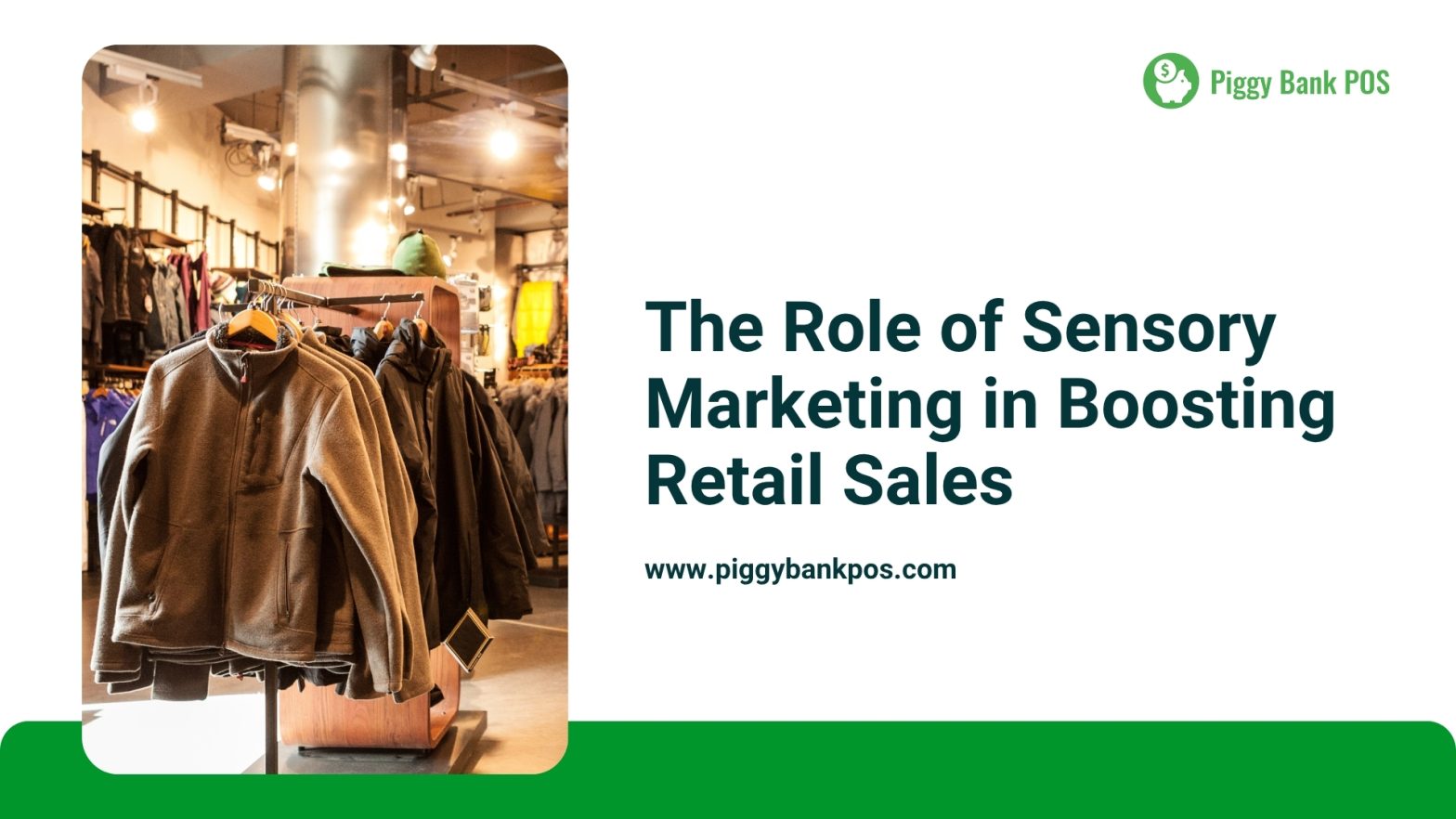
The Role of Sensory Marketing in Boosting Retail Sales
Modern shoppers aren’t just buying products – they’re seeking experiences. This is why sensory marketing has become a powerful strategy for retailers. By engaging the five human senses, businesses can influence emotions, create memorable experiences, and increase sales. Let’s explore the five ways sensory marketing transforms retail success.
1. Visual Appeal: Designing to Attract
From store layout to product packaging, sight is the most dominant sense in retail. Strategic use of lighting, colours, and digital displays can make products more desirable. For instance, bright lighting in supermarkets encourages quick buying, while soft, warm lighting in luxury stores creates a sense of exclusivity.
Impact: Enhances brand perception, drives impulse purchases, and increases dwell time.
2. Soundscapes: Setting the Shopping Rhythm
The right music sets the pace of shopping. Slow, relaxing tunes in cafés encourage longer stays, while upbeat tracks in fast-fashion stores drive faster decisions. Even subtle background sounds like a coffee machine or gentle chatter can create the right atmosphere.
Impact: Shapes customer mood, influences buying speed, and strengthens brand identity.
3. Signature Scents: Triggering Emotions and Memories
Smell has a strong link to memory and emotions. Retailers use signature scents to differentiate their stores for example, bakeries using the aroma of fresh bread or clothing stores diffusing a subtle fragrance. Customers often associate these scents with comfort, trust, and brand loyalty.
Impact: Encourages repeat visits, builds emotional connection, and increases basket size.
4. Touch & Feel: Building Trust Through Interaction
Allowing customers to touch, feel, or test products increases confidence in buying decisions. Furniture stores, tech retailers, and cosmetic brands all use tactile experiences to build trust. Even textures in packaging can make a product feel premium.
Impact: Reduces hesitation, increases conversions, and boosts product value perception.
5. Taste: Creating Instant Desire
For food and beverage retailers, taste is one of the most persuasive tools. Free samples at supermarkets or new drink tasters at cafés spark curiosity and often lead to instant sales. It’s not just about selling the sample it’s about creating cravings that lead to larger purchases.
Impact: Converts trial into purchase, drives product discovery, and enhances customer satisfaction.
Final Thoughts
By activating sight, sound, smell, touch, and taste, retailers can transform ordinary shopping into unforgettable experiences. Sensory marketing is not just about selling products – it’s about creating emotional connections that inspire loyalty and repeat sales.
👉 At Piggy Bank POS, we help retailers enhance customer experience with technology-driven tools that support promotions, interactive engagement, and smart analytics.
🌐 Learn more: www.piggybankpos.com
#SensoryMarketing #RetailSuccess #PiggyBankPOS #CustomerExperience #RetailSales #RetailTrends
Releted Posts
Why Retail Growth Starts Behind the Counter, Not on Social Media
Social media has become an essential part of modern retail. Brands invest heavily in reels, ads, influencers, and daily posts to attract attention and build awareness. While social platforms help customers discover your business, they
Retail Traffic, Sales Rise Despite Turbulent Year
The retail industry has faced a challenging year marked by economic uncertainty, shifting consumer behavior, and global market disruptions. Despite these obstacles, recent data shows that retail traffic and sales have continued to rise, demonstrating