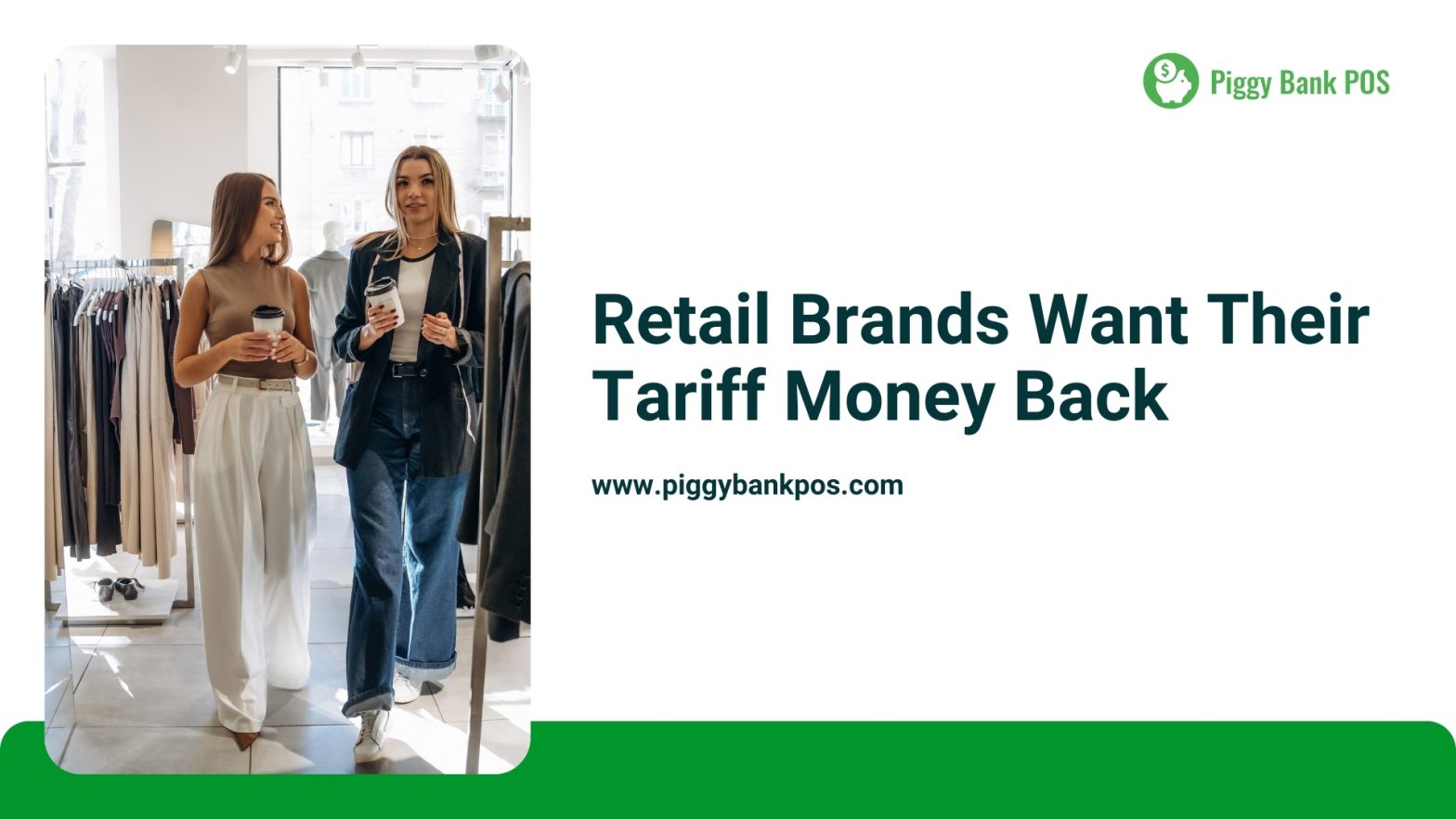
Retail Brands Want Their Tariff Money Back
In recent years, U.S. retailers have been grappling with the impact of tariffs on imported goods, which have led to higher costs and reduced profitability. But now, many retail brands are pushing back, demanding that the U.S. government refund the tariffs they paid on imports. As the trade war with China and other countries has had lasting effects on the retail sector, companies are seeking financial relief to help ease the burden of these additional expenses.
Let’s explore why retail brands are pushing for tariff refunds, and what it means for the future of the retail industry.
1. The Impact of Tariffs on Retail Prices
Tariffs were imposed on a wide range of goods, including electronics, clothing, furniture, and home goods, many of which are imported from China and other countries. As a result, retailers saw significant price increases on these products. While some companies tried to absorb the costs, many passed them on to consumers, leading to higher prices across the board. This has impacted consumer spending habits, especially in price-sensitive segments.
Why it matters: Higher costs due to tariffs have created a ripple effect that harms both consumers and businesses, reducing disposable income and sales.
2. The Call for Tariff Refunds
Retailers argue that the tariffs were unfairly applied and have severely impacted their margins. Some are seeking refunds for the tariffs paid on imported goods, citing that they were passed on without sufficient justification or consideration for their business operations. Retail groups are lobbying the government to revisit the tariffs and refund businesses for their losses.
Why it matters: Refunds could provide much-needed relief for retailers, allowing them to reinvest in their operations, reduce prices, and improve profitability.
3. Potential Impact on Pricing and Consumer Behavior
If the U.S. government agrees to refund tariffs, it could lead to lower prices for consumers, particularly in categories like electronics, apparel, and home goods. This, in turn, might boost consumer spending and encourage retailers to reinvest in customer experience, inventory management, and product diversification.
Why it matters: A reduction in tariffs could lead to lower prices and drive consumer demand, providing a boost to the retail industry.
4. Legal and Regulatory Challenges
The process of securing tariff refunds isn’t simple. Retail brands must navigate a complex regulatory environment, challenging decisions made by the U.S. Trade Representative and the Customs and Border Protection (CBP) agency. Many retailers are filing legal complaints, seeking reimbursement for the tariffs they believe were unfairly imposed. The process is likely to take time, and the outcome remains uncertain.
Why it matters: Legal and regulatory hurdles mean that the recovery process for tariffs could be long and complex, delaying any potential relief for businesses.
5. Future Trade Relations and Retail Strategy
As retailers wait for decisions on tariff refunds, they are also closely monitoring future trade relations. The ongoing trade tensions could continue to impact the retail sector, and many brands are looking for ways to diversify their supply chains to minimize future risks. By diversifying suppliers and shifting production to other countries, retailers can reduce their dependence on tariff-affected imports.
Why it matters: Diversifying the supply chain helps reduce risks and prepares businesses for future trade disruptions.
Final Thoughts
Retail brands are calling for a refund of the tariffs they paid on imports, seeking relief from the financial strain caused by rising costs. While the outcome is uncertain, retailers are looking for ways to adjust to changing trade policies and mitigate future risks. If successful, tariff refunds could provide a much-needed boost to the retail industry, encouraging investment and reducing prices for consumers.
To help retailers navigate the complexities of modern retail operations, Piggy Bank POS offers an intuitive point-of-sale system designed to help with sales tracking, inventory management, and customer engagement.
Learn more at www.piggybankpos.com and streamline your operations today.
#RetailTrends #Tariffs #RetailIndustry #CustomerEngagement #POSSystem #PiggyBankPOS #BusinessRelief #SupplyChainManagement #PricingStrategies
Releted Posts
Retail Storytelling: Turning Everyday Products Into Emotional Experiences
In today’s competitive retail world, customers are no longer moved by just price or product; they’re drawn to stories. Every purchase is emotional, whether it’s a cup of coffee that brings comfort, a pair of
The Hidden Costs of a Bad Payment Experience and How to Fix Them
In today’s competitive e-commerce and retail environment, a smooth and seamless payment experience is essential for keeping customers satisfied and engaged. However, many businesses overlook the critical role that the payment process plays in converting