Major Retail Chains Are Going Cashless – What It Means for Small Businesses
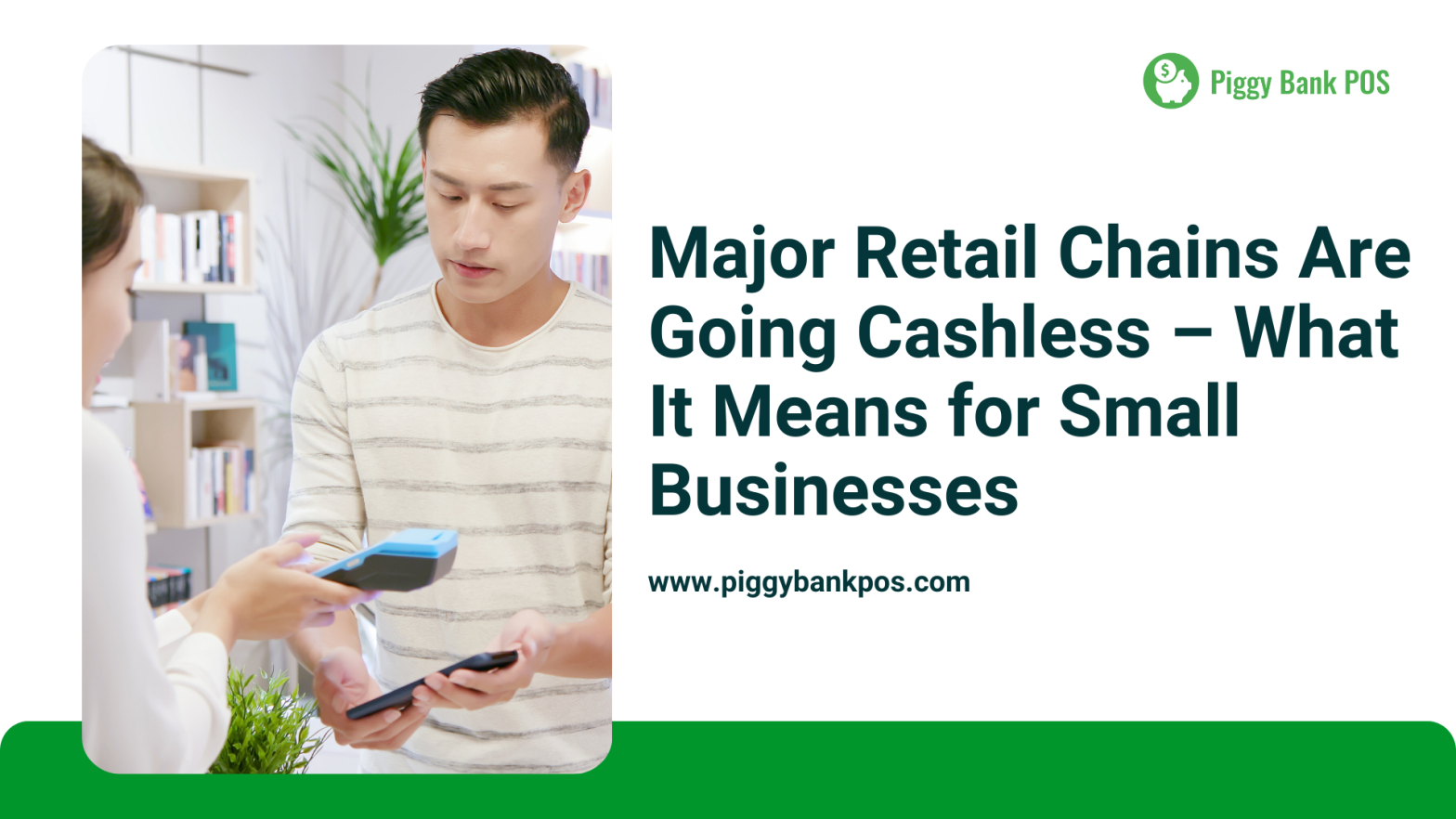
The retail industry is evolving rapidly, and cashless payments are becoming the new norm. Major retail chains like Amazon Go, Starbucks, and Whole Foods have already embraced cash-free transactions, eliminating the need for physical money and relying solely on credit cards, mobile wallets, and contactless payments.
But what does this shift mean for small businesses? Should you follow the trend or continue accepting cash? Let’s explore the impact of a cashless future and how small businesses can adapt.
📌 Why Are Major Retailers Going Cashless?
Large retail chains are adopting cashless payment systems for several reasons:
✔ Faster Checkout Process – Digital payments reduce wait times, improving customer experience.
✔ Increased Security – Less cash on hand means fewer risks of theft and fraud.
✔ Reduced Operational Costs – No need to handle cash, deposit it at banks, or deal with counterfeit money.
✔ Contactless & Hygienic Transactions – COVID-19 accelerated the adoption of touch-free payments.
✔ Better Data & Insights – Digital payments provide valuable data on customer spending habits.
💡 Retailers like Amazon Go use AI-driven stores with no cash registers at all – customers simply “grab and go” using mobile payments!
📉 How Does This Affect Small Businesses?
1️⃣ Customers Expect Faster, Cashless Transactions
With major retailers setting new standards, customers now prefer digital payments for speed and convenience. Over 80% of consumers say they are more likely to shop at stores that accept contactless payments.
💡 Small businesses that don’t accept digital payments risk losing customers to competitors.
2️⃣ Reduced Cash Usage = Lower Operational Costs
Handling cash requires extra security, cash drawers, bank deposits, and reconciliation efforts. Going cashless means streamlined operations and reduced risks of human error.
3️⃣ Increased Security & Fraud Protection
Cash transactions are harder to track and pose risks of theft or counterfeit money. Digital payments provide secure, traceable transactions that protect both the business and the customer.
4️⃣ Expanding Your Customer Base
Many consumers now carry little to no cash and prefer mobile wallets like Apple Pay, Google Pay, and digital banking apps. Accepting these payments can attract more customers, especially younger shoppers.
5️⃣ Compliance & Fees: The Challenges of Going Cashless
While going cashless has benefits, it’s important to consider:
❌ Card Processing Fees – Credit card transactions come with fees that add up over time.
❌ Legal Restrictions – Some cities/states require businesses to accept cash to avoid discrimination.
❌ Excluding Cash-Only Customers – A small percentage of customers still prefer or rely on cash.
💡 Solution: A balanced approach – accept digital payments while keeping a cash option for those who need it.
🚀 How Can Small Businesses Adapt?
✅ Upgrade Your POS System – A modern POS should accept credit/debit cards, mobile payments, and contactless transactions.
✅ Offer Multiple Payment Options – Let customers pay with their preferred method, whether it’s cash, card, or digital wallet.
✅ Educate Your Customers – Let them know you accept fast, secure, and easy cashless payments.
✅ Monitor Transaction Fees – Choose a POS system that offers affordable processing fees.
✅ Stay Compliant – Check local regulations before going fully cashless.
💳 Future-Proof Your Business with Piggy Bank POS!
As cashless payments continue to rise, small businesses must adapt or risk being left behind. With Piggy Bank POS, you get:
✔ Seamless Card & Contactless Payment Processing
✔ Affordable Transaction Fees 💰
✔ Real-Time Sales & Inventory Tracking 📊
✔ Secure & Fast Checkout Experience 🔒
📢 Ready to upgrade your business for a cashless future?
🔗 Learn more at www.piggybankpos.com 🚀
#CashlessFuture #DigitalPayments #RetailTrends #POSSystem #SmallBusinessGrowth #ContactlessPayments #PiggyBankPOS
Releted Posts
Discount Retailer Proposed for DeWitt’s Former Tops Store
Exciting news for DeWitt residents and shoppers! A new discount retail store is set to open in the former Tops store location, bringing an affordable shopping option to the area. The new store promises to
Resilient Retail Supply Chains in 2026
The retail industry has faced significant disruptions over the past few years from global pandemics and geopolitical tensions to shipping delays and inflation. As a result, retail supply chains in 2026 are being redesigned with