How to Manage the Retail Industry Effectively and Reduce Losses

Managing operations effectively is crucial for business survival and growth. One of the key challenges retailers face is minimizing losses whether from inventory shrinkage, inefficient processes, or poor customer service. By adopting a combination of best practices, technology, and employee engagement, businesses can significantly reduce losses and enhance overall performance. Here are some key strategies for managing retail operations efficiently:
1. Streamline Inventory Management
Inventory shrinkage due to theft, damage, or mismanagement is a leading cause of losses in retail. To minimize these risks, retailers should implement a robust inventory management system. Using technology like barcode scanning, RFID tracking, and cloud-based software can help track inventory in real-time and reduce human error. Regular audits, stock-taking, and monitoring of trends are also essential in identifying issues early.
2. Embrace Data-Driven Decision Making
Modern retail businesses generate vast amounts of data, and the effective use of this information can drastically reduce inefficiencies. Analyzing customer purchase patterns, inventory turnover rates, and sales trends helps businesses forecast demand, avoid overstocking, and ensure they are offering the right products. This can lead to reduced markdowns, less waste, and improved profitability.
3. Enhance Staff Training and Engagement
Your employees are a key part of your success in minimizing retail losses. Proper training on loss prevention techniques, customer service, and product knowledge can help prevent errors and theft. Engaged employees are more likely to adhere to best practices and remain vigilant when it comes to security. Create a workplace culture that emphasizes accountability, attention to detail, and teamwork.
4. Implement Loss Prevention Technologies
Installing modern security systems, including surveillance cameras, alarm systems, and electronic article surveillance (EAS) tags, can help deter theft and identify suspicious behavior. Many retailers also use Point of Sale (POS) systems that integrate loss prevention features, such as monitoring voided transactions and flagging high-risk activities in real-time.
5. Monitor and Control Operational Costs
Effective management of operational costs is another way to reduce losses. Evaluate all areas of your business from labor to utilities to find cost-saving opportunities. Negotiate better terms with suppliers, optimize staffing schedules, and adopt energy-efficient practices. Even small savings across several departments can add up to substantial reductions in overall expenses.
Conclusion: Why Piggy Bank POS is the Solution You Need
As we’ve discussed, reducing losses in retail involves a combination of strategic planning, technology, and employee engagement. One tool that can help you achieve these goals is Piggy Bank POS. This advanced point-of-sale system offers not just the usual transaction processing features but also sophisticated reporting, inventory management, and loss prevention capabilities. With Piggy Bank POS, you gain full visibility over your store’s operations, allowing you to make informed decisions that reduce risks, improve efficiency, and ultimately boost profitability. If you’re looking for a way to manage your retail business more effectively, Piggy Bank POS might just be the tool you need to take your operations to the next level.
By implementing these strategies and tools, you can stay ahead of the competition, minimize losses, and create a more sustainable, profitable retail business.
For more on effective retail management, visit www.piggybankpos.com
#RetailManagement #LossPrevention #InventoryControl #POS #PiggyBankPOS #RetailSuccess
Releted Posts
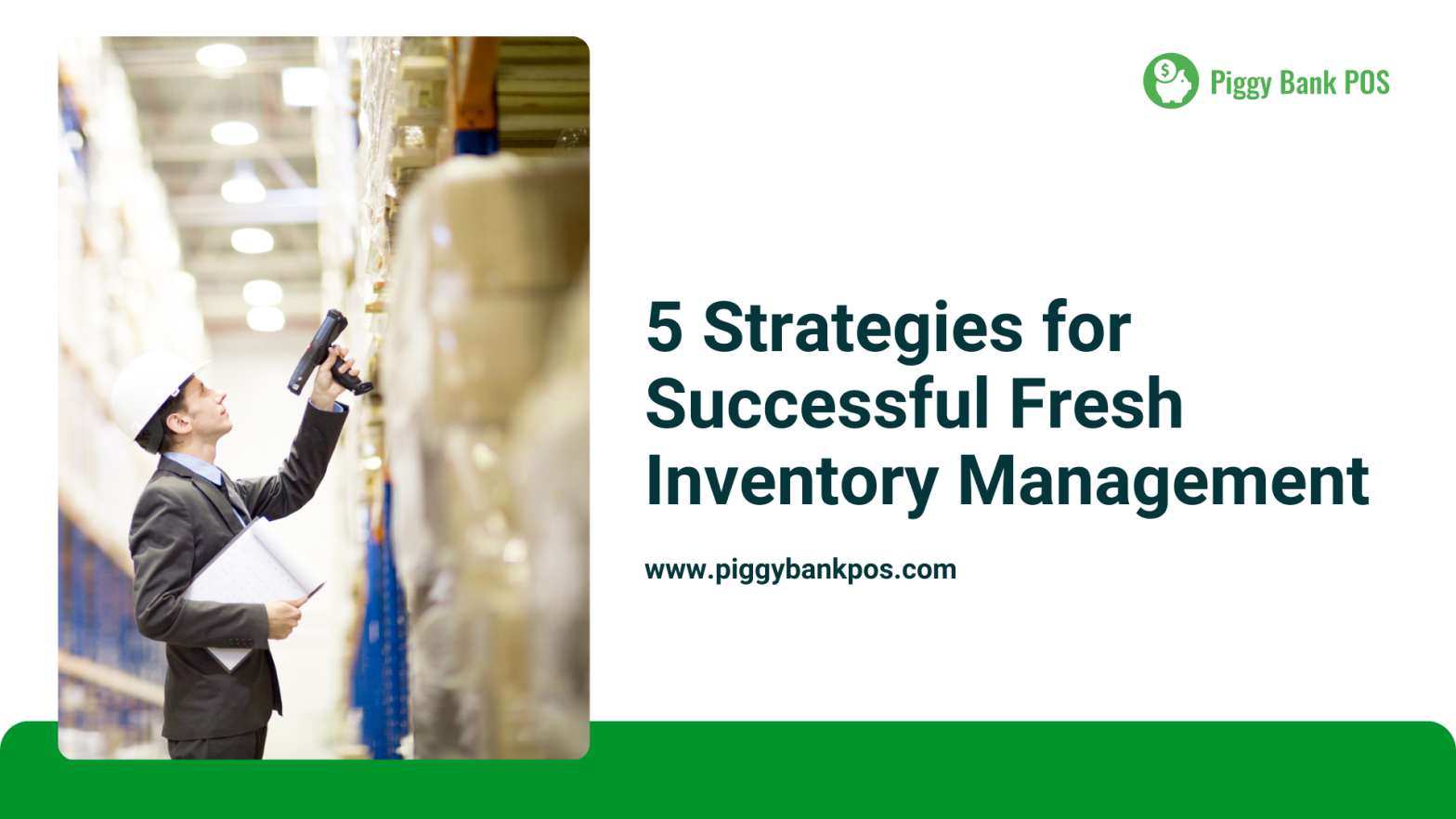
5 Strategies for Successful Fresh Inventory Management
Managing fresh inventory—such as perishable goods, produce, or seasonal items—requires precision, efficiency, and the right strategies to prevent spoilage, reduce waste, and maximize profits. Unlike regular inventory, fresh products have shorter shelf lives, making it
North Texas Retail and Office Makeover in the Works
A North Texas neighborhood is about to undergo a significant transformation, as plans for a luxury office and retail makeover are in full swing. This revitalization project aims to combine high-end office spaces with an