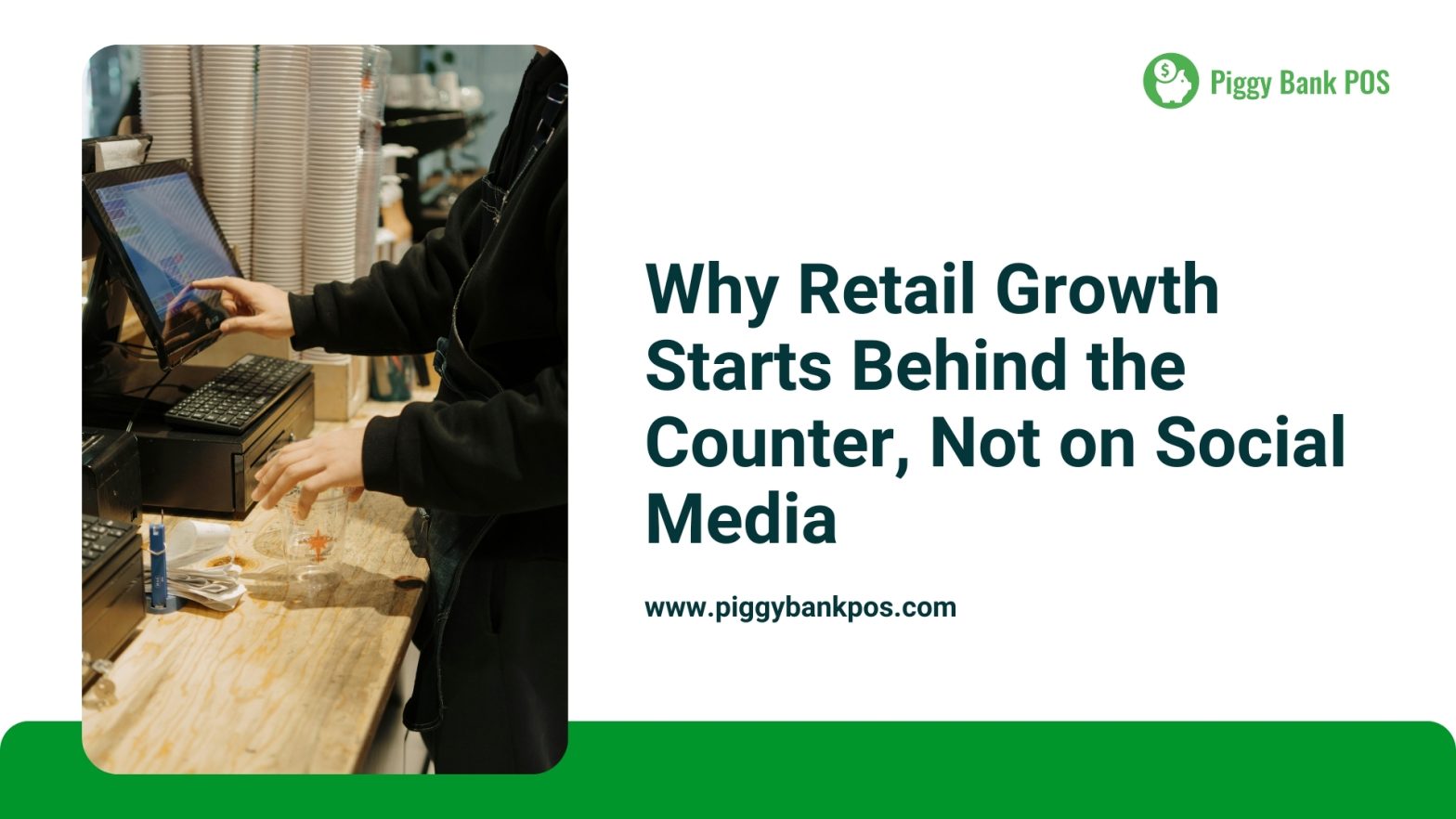
Retail’s Pivotal Year The Structural Reset Defining 2026

The retail industry is undergoing a massive transformation in 2026, driven by changes in consumer behavior, technology, and market dynamics. Retailers are rethinking their business models, operations, and customer engagement strategies as they adapt to a new set of challenges and opportunities. This structural reset is not just about adjusting to short-term trends; it’s about reshaping the entire retail ecosystem for the future.
Let’s explore the key factors contributing to retail’s pivotal year and what businesses need to do to thrive in this new landscape.
1. Digital Transformation and Omnichannel Retail
One of the most significant changes in retail is the shift toward digital transformation. Consumers now expect seamless shopping experiences across multiple channels, whether it’s in-store, online, or via mobile apps. Retailers are investing in omnichannel strategies that integrate physical stores, e-commerce platforms, and social media to create a cohesive shopping journey.
Why it matters: Embracing omnichannel retail allows businesses to meet customer expectations and stay competitive in a fast-evolving market.
2. Sustainability and Ethical Practices
Consumers are increasingly prioritizing sustainability and ethical consumption. Retailers are responding by adopting greener practices, such as sustainable sourcing, eco-friendly packaging, and carbon-neutral shipping. The focus on environmental and social responsibility is reshaping how retailers operate, and it’s becoming an essential part of their brand identity.
Why it matters: Sustainability is no longer optional; consumers are demanding it. Retailers that don’t adapt risk alienating their customer base.
3. Data-Driven Decision Making
In 2026, data is king. Retailers are using advanced analytics, AI, and machine learning to gain deeper insights into consumer behavior, inventory management, and sales performance. By leveraging data, retailers can make more informed decisions, predict trends, and personalize customer experiences in real-time.
Why it matters: Data-driven decisions enhance efficiency, improve customer experiences, and increase profitability.
4. Enhanced Customer Experience Through Technology
Consumers expect a higher level of engagement and personalization than ever before. Retailers are turning to AI-powered solutions, chatbots, and virtual assistants to provide tailored shopping experiences and real-time support. In-store technology like smart shelves and interactive displays are also becoming more common, offering shoppers a more engaging and efficient shopping experience.
Why it matters: Retailers that focus on enhancing the customer experience through technology will foster loyalty and increase conversion rates.
- Flexible and Resilient Supply Chains
The events of the past few years have shown just how vulnerable supply chains can be. Retailers are rebuilding their supply chains with a focus on resilience, flexibility, and sustainability. Diversifying suppliers, improving demand forecasting, and embracing technology-driven logistics are all part of creating a more reliable supply chain that can withstand disruptions.
Why it matters: A resilient supply chain helps businesses avoid costly delays and ensures products are available when customers need them.
Final Thoughts
2026 is a pivotal year for retail as businesses undergo a structural reset to meet the demands of a new generation of consumers. By embracing digital transformation, sustainability, data-driven decision-making, and improving customer experiences, retailers can stay ahead of the competition and thrive in this dynamic market.
To support retail operations through this transformation, Piggy Bank POS offers an intuitive point-of-sale system designed to streamline sales tracking, inventory management, and customer engagement.
Learn more at www.piggybankpos.com and future-proof your retail business today.
#RetailTrends #RetailTransformation #CustomerExperience #POSSystem #Sustainability #RetailInnovation #PiggyBankPOS #DataDrivenRetail #OmnichannelRetail #RetailStrategy
Releted Posts

The Psychology of Discounts: How Pricing Tricks Drive Conversions
Discounts are a powerful tool in any business’s arsenal not just because they reduce prices, but because they tap into deep psychological triggers that influence customer behavior. When used strategically, pricing tricks can increase conversions,
15 Successful Pricing Strategies in Retail
Pricing is one of the most powerful tools in retail. The right price can drive sales, boost profit margins, and position your brand competitively. But with today’s shoppers more informed than ever, retailers need smart,