Impact of Self-Service Technologies in Retail
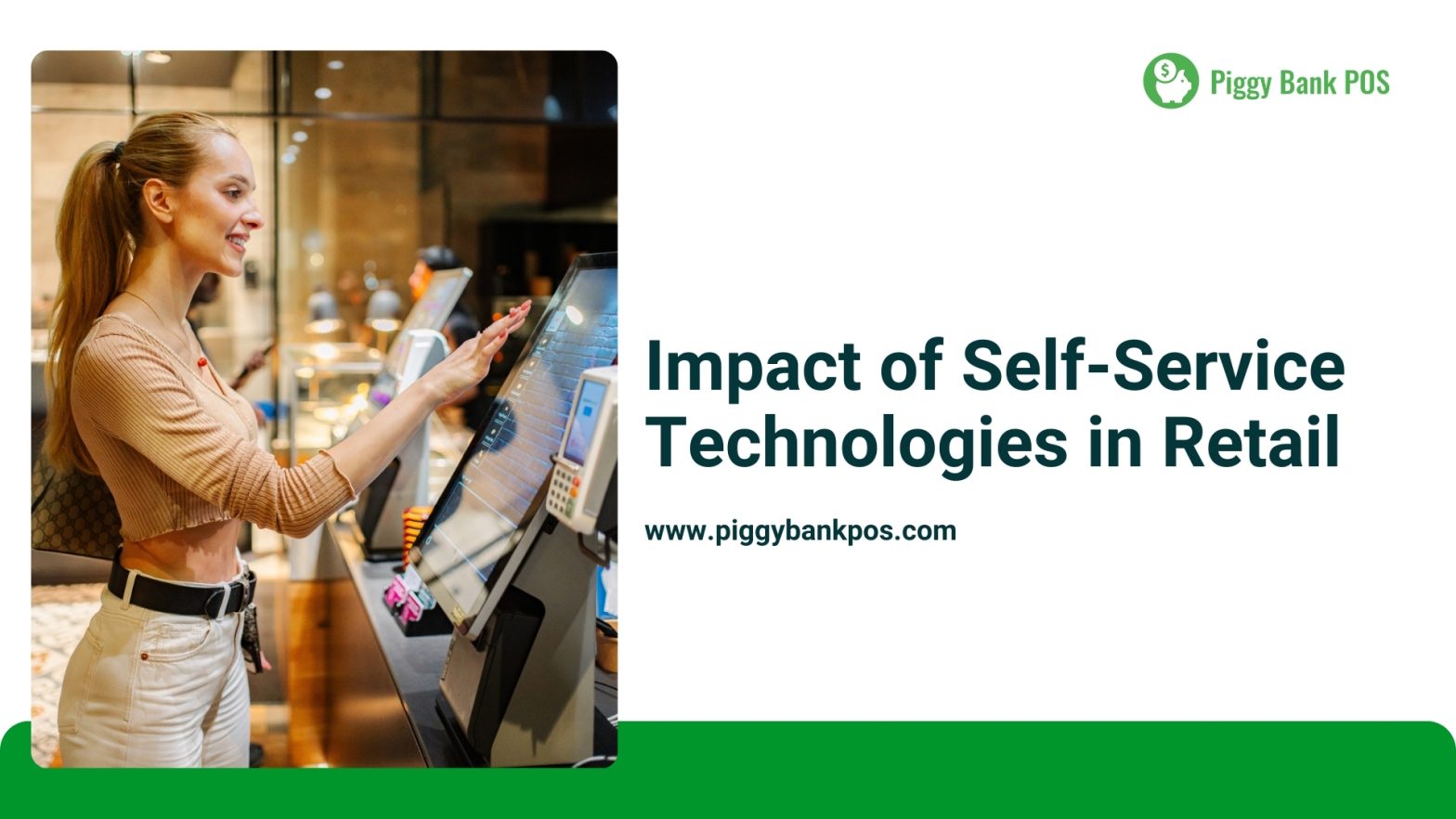
The retail industry is embracing self-service technologies as a way to enhance the customer experience, improve operational efficiency, and reduce costs. From self-checkout kiosks to mobile apps that allow customers to scan and pay for items, self-service solutions are changing how consumers interact with retail brands.
Let’s explore the significant impact that self-service technologies are having on the retail sector and what businesses need to know to stay competitive in 2026.
1. Improved Customer Experience
Self-service technologies allow customers to have more control over their shopping experience. Self-checkout lanes, interactive kiosks, and mobile apps give consumers the freedom to complete purchases quickly without waiting in long lines. This can lead to a more satisfying shopping experience, which is increasingly important in today’s fast-paced retail world.
Why it matters: A better customer experience can result in higher customer satisfaction, loyalty, and repeat visits.
2. Reduced Labor Costs
One of the biggest benefits of self-service technologies is their ability to reduce labor costs. Self-checkout kiosks, for instance, allow customers to scan and pay for items themselves, reducing the need for cashiers. Retailers can redirect employees to other areas, such as stocking shelves or assisting customers, improving overall store efficiency.
Why it matters: Self-service solutions help optimize labor resources and can improve profitability by reducing staffing needs.
3. Increased Efficiency and Speed
Self-service technologies help streamline the checkout process, allowing customers to pay for their purchases more quickly. This results in faster transactions, shorter wait times, and fewer bottlenecks at checkout. It also reduces the risk of human error, leading to more accurate pricing and fewer transaction mistakes.
Why it matters: Faster service increases throughput and keeps customers happy, especially during peak shopping times.
4. Data Collection and Personalization
Self-service solutions provide valuable data on customer behavior and preferences. Retailers can use this data to create personalized experiences, offer targeted promotions, and optimize store layouts based on customer interactions. For example, retailers can track which products are most frequently purchased and create customized offers for loyal customers.
Why it matters: Data-driven insights allow businesses to better cater to their customers, improving both marketing strategies and inventory management.
- Reduced Human Interaction for Safety and Hygiene
In the wake of the pandemic, many consumers prefer minimal human interaction during their shopping experience. Self-service technologies provide a safer, contactless way to shop, which appeals to health-conscious customers. Offering self-checkout options and mobile payment solutions reduces the need for face-to-face interactions, enhancing safety in stores.
Why it matters: Providing safer shopping options builds consumer trust and makes customers feel more comfortable, especially in uncertain times.
Final Thoughts
The impact of self-service technologies on retail is undeniable. From improving the customer experience to cutting costs and increasing efficiency, these innovations are shaping the future of retail. Retailers who embrace self-service solutions will be better positioned to meet consumer expectations and thrive in an increasingly competitive market.
To help optimize your retail operations and integrate self-service solutions, Piggy Bank POS offers a user-friendly point-of-sale system designed to enhance sales tracking, inventory management, and customer engagement.
Learn more at www.piggybankpos.com and elevate your retail strategy today.
#RetailTechnology #SelfServiceRetail #CustomerExperience #POSSystem #PiggyBankPOS #RetailInnovation #SalesTracking #InventoryManagement #RetailTrends
Releted Posts

The Benefits of Moving to a Point-of-Sale (POS) System
Whether you own a retail store, restaurant, or service-based business, a Point-of-Sale (POS) system is no longer just a luxury—it’s a necessity. Gone are the days of slow checkouts, inventory headaches, and manual errors. A
Retail Traffic, Sales Rise Despite Turbulent Year
The retail industry has faced a challenging year marked by economic uncertainty, shifting consumer behavior, and global market disruptions. Despite these obstacles, recent data shows that retail traffic and sales have continued to rise, demonstrating