Resilient Retail Supply Chains in 2026
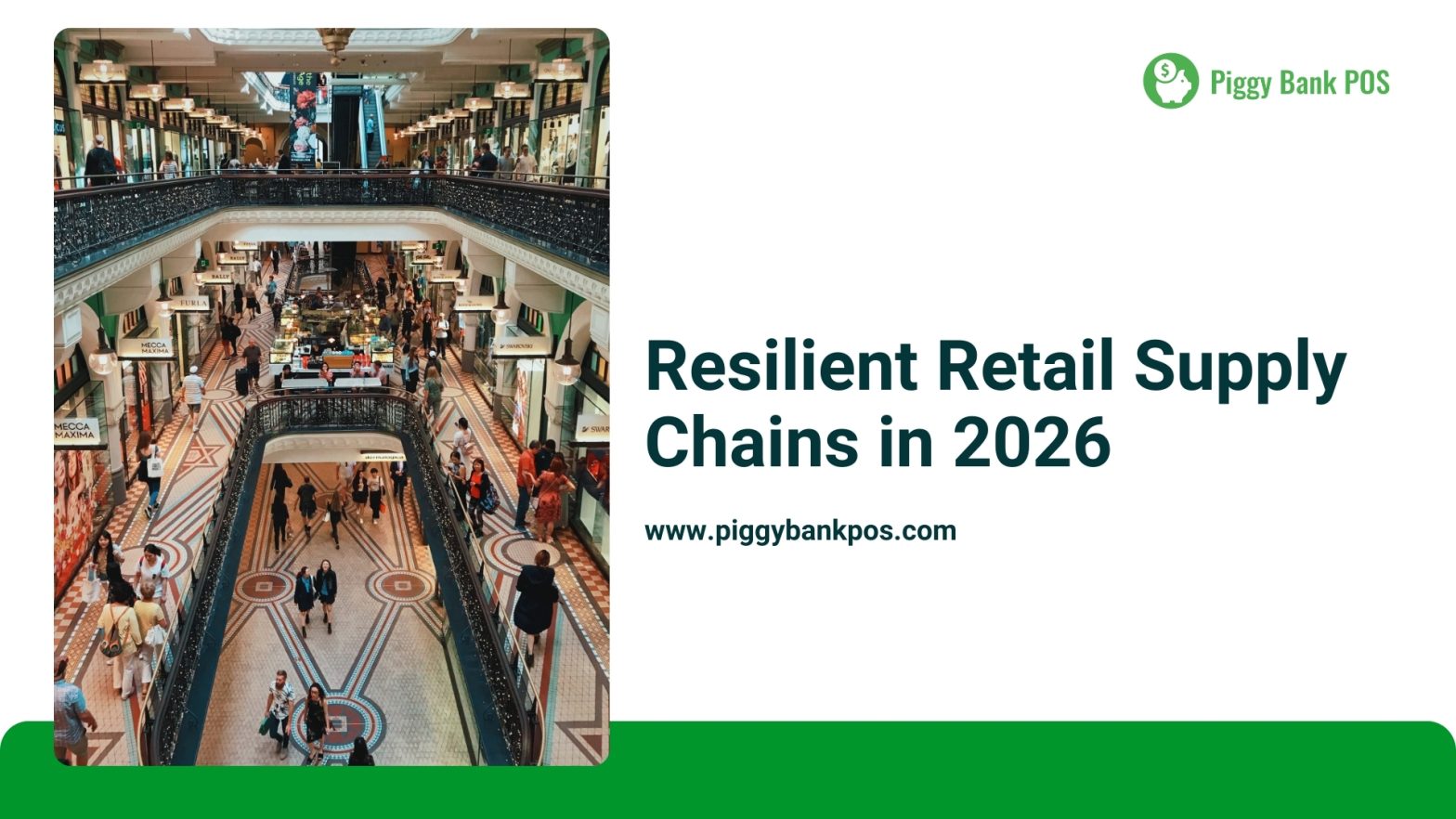
The retail industry has faced significant disruptions over the past few years from global pandemics and geopolitical tensions to shipping delays and inflation. As a result, retail supply chains in 2026 are being redesigned with resilience in mind. Retailers are focusing on flexibility, transparency, and smarter technology to ensure their operations can withstand unexpected challenges.
Let’s explore how retailers are rebuilding supply chains to become stronger and more adaptable.
1. Diversifying Supplier Networks
One of the biggest lessons retailers learned from recent disruptions is the risk of relying on a single supplier or region. In 2026, retailers are diversifying their supplier networks, sourcing products from multiple countries and vendors to reduce risk.
Why it matters: A diversified supply chain helps retailers avoid delays and maintain product availability even when disruptions occur.
2. Nearshoring and Local Production
Many retailers are shifting part of their production closer to their primary markets. Nearshoring moving manufacturing to nearby countries helps reduce shipping times and logistics costs. Some retailers are even investing in local manufacturing to improve responsiveness.
Why it matters: Shorter supply chains improve speed, reduce risk, and help retailers respond faster to customer demand.
3. Real-Time Supply Chain Visibility
Retailers are increasingly adopting technologies that provide real-time visibility into inventory levels, shipping status, and warehouse operations. Advanced analytics and tracking systems allow businesses to detect potential disruptions early and adjust their strategies accordingly.
Why it matters: Visibility enables faster decision-making and helps prevent stock shortages or overstocking.
4. Smarter Inventory Management
Instead of maintaining minimal inventory levels, many retailers are balancing efficiency with preparedness by keeping strategic safety stock. Data-driven forecasting tools help businesses maintain the right inventory levels to handle fluctuations in demand.
Why it matters: Smarter inventory planning reduces lost sales and ensures consistent product availability.
5. Technology and Automation
Automation is playing a growing role in supply chain resilience. From automated warehouses to AI-driven demand forecasting, technology helps retailers operate more efficiently while reducing errors and operational delays.
Why it matters: Automation improves speed, accuracy, and overall supply chain stability.
Final Thoughts
In 2026, resilient supply chains are no longer optional; they are essential for retail success. By diversifying suppliers, investing in technology, and improving visibility, retailers can build stronger systems capable of handling future disruptions.
To support efficient retail operations alongside resilient supply chains, Piggy Bank POS provides an intuitive point-of-sale system designed for sales tracking, inventory management, and customer engagement.
Learn more at www.piggybankpos.com and strengthen your retail operations for the future.
#RetailSupplyChain #RetailTrends2026 #SupplyChainResilience #RetailInnovation #InventoryManagement #RetailTechnology #PiggyBankPOS #POSSystem
Releted Posts

Beyond Discounts: Creative Ways to Boost Retail Sales in a Slow Season
Every retailer experiences slow periods those weeks when foot traffic drops, online orders shrink, and even your best promotions seem to stall. While slashing prices might bring temporary relief, it often eats into profits and
How Just-in-Time Inventory Works for Retailers in 2025
In the fast-paced world of retail, efficiency isn’t just a competitive advantage it’s a necessity. As we step deeper into 2025, one inventory management strategy continues to gain momentum: Just-in-Time (JIT) Inventory. Retailers of all