How Retail Incentives Will Evolve in 2026
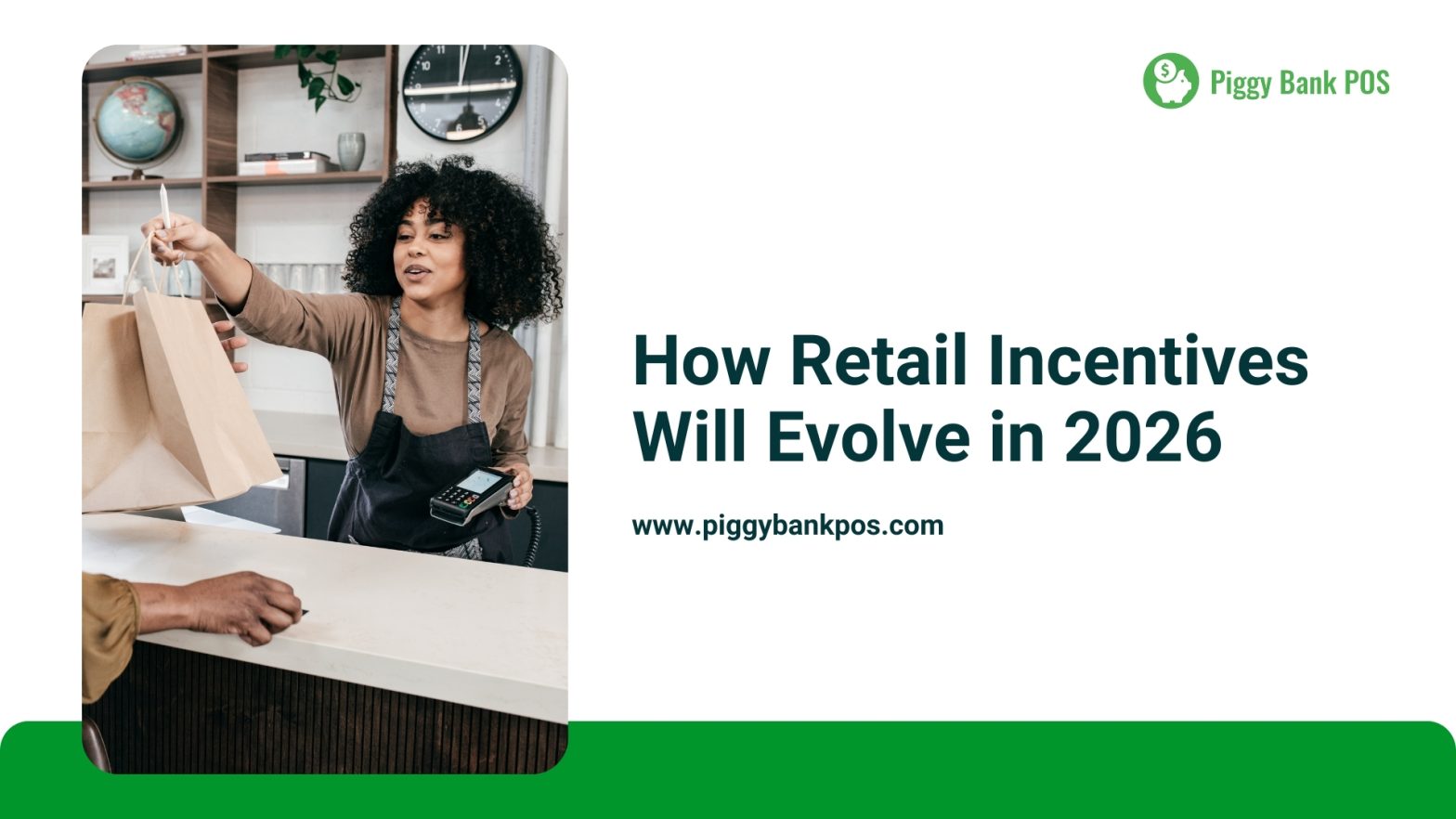
Retail incentives have always been a powerful tool for driving customer engagement, boosting sales, and increasing brand loyalty. However, as consumer expectations evolve and the retail landscape becomes more competitive, the nature of these incentives is shifting. In 2026, retail incentives will need to adapt to a more personalized, technology-driven, and customer-centric approach. Let’s explore how these incentives are set to evolve in the coming years.
1. Personalized Incentives Will Take Center Stage
In 2026, personalized retail incentives will be the driving force behind successful marketing campaigns. Consumers are no longer satisfied with generic discounts or offers—they want rewards that reflect their unique preferences, shopping behaviors, and needs. With the help of advanced data analytics, retailers will be able to offer hyper-targeted incentives that speak directly to individual customers, increasing the likelihood of engagement and conversion.
Key takeaway: Personalized rewards based on shopping history, preferences, and behaviors will become the norm for enhancing customer loyalty.
2. Incentives Will Be Integrated Across Multiple Channels
As omnichannel retail continues to grow, incentives will need to follow consumers across all platforms, whether they’re shopping online, in-store, or via mobile apps. Retailers will offer incentives that can be redeemed across channels, making it easier for customers to engage with the brand wherever they choose to shop. For example, a customer might earn points for shopping in-store that can be redeemed for discounts online.
Key takeaway: Retail incentives will be more flexible, allowing consumers to redeem rewards seamlessly across digital and physical shopping environments.
3. AI and Automation Will Drive Reward Customization
In 2026, artificial intelligence (AI) will play a key role in delivering highly customized retail incentives. By analyzing vast amounts of consumer data, AI will enable retailers to automate the delivery of relevant offers at the right time. AI-driven systems will identify when customers are most likely to make a purchase and send incentives that encourage them to act, whether it’s a targeted coupon, limited-time offer, or loyalty reward.
Key takeaway: AI and automation will make retail incentives smarter, more timely, and tailored to each individual customer’s preferences.
4. Sustainability and Ethical Incentives Will Gain Popularity
As sustainability becomes a top priority for consumers, retailers are incorporating eco-friendly and socially responsible incentives into their reward programs. Incentives such as discounts for recycling, rewards for purchasing sustainable products, and loyalty points for supporting ethical brands will gain traction. By aligning incentives with sustainability goals, retailers will strengthen their connection with eco-conscious consumers.
Key takeaway: Retail incentives will shift toward rewarding sustainable and ethical behaviors, appealing to the growing demand for responsible consumption.
5. Subscription and Membership Programs Will Become More Common
Incentive structures in 2026 will increasingly revolve around subscription and membership models. These programs offer consumers ongoing rewards and benefits in exchange for a recurring fee or commitment to regular purchases. From exclusive discounts to early access to new products, membership-based rewards will encourage long-term customer loyalty and create a steady revenue stream for retailers.
Key takeaway: Subscription and membership programs will become more prevalent as they provide sustained engagement and long-term loyalty for both consumers and retailers.
Conclusion
As we approach 2026, the evolution of retail incentives will reflect broader trends in consumer behavior, technology, and sustainability. Retailers who focus on personalized, omnichannel, and ethically-driven incentives will have a significant advantage in creating long-lasting customer relationships and driving sales.
To manage your retail operations and streamline customer engagement, Piggy Bank POS offers an intuitive point-of-sale system with advanced features for sales tracking, inventory management, and customer loyalty programs.
Learn more at www.piggybankpos.com
#RetailIncentives #CustomerLoyalty #AIInRetail #PersonalizedRewards #SustainabilityInRetail #RetailTechnology #PiggyBankPOS #OmnichannelRetail #RetailTrends #CustomerEngagement
Releted Posts
Top 5 Retail Media Predictions for 2026
Retail media has rapidly evolved from a niche advertising channel into a cornerstone of commerce and shopper engagement. In 2026, this growth isn’t slowing, it’s transforming how brands connect with customers both online and in‑store.
How Brands Are Using Social Responsibility to Drive Customer Loyalty in 2026
In 2026, social responsibility isn’t just “nice to have” it’s a core part of how brands build trust and long‑term loyalty. Today’s customers want to support businesses that are doing good, standing for something meaningful,