Brick-and-Mortar Retail Struggles Amid Online Shopping Growth
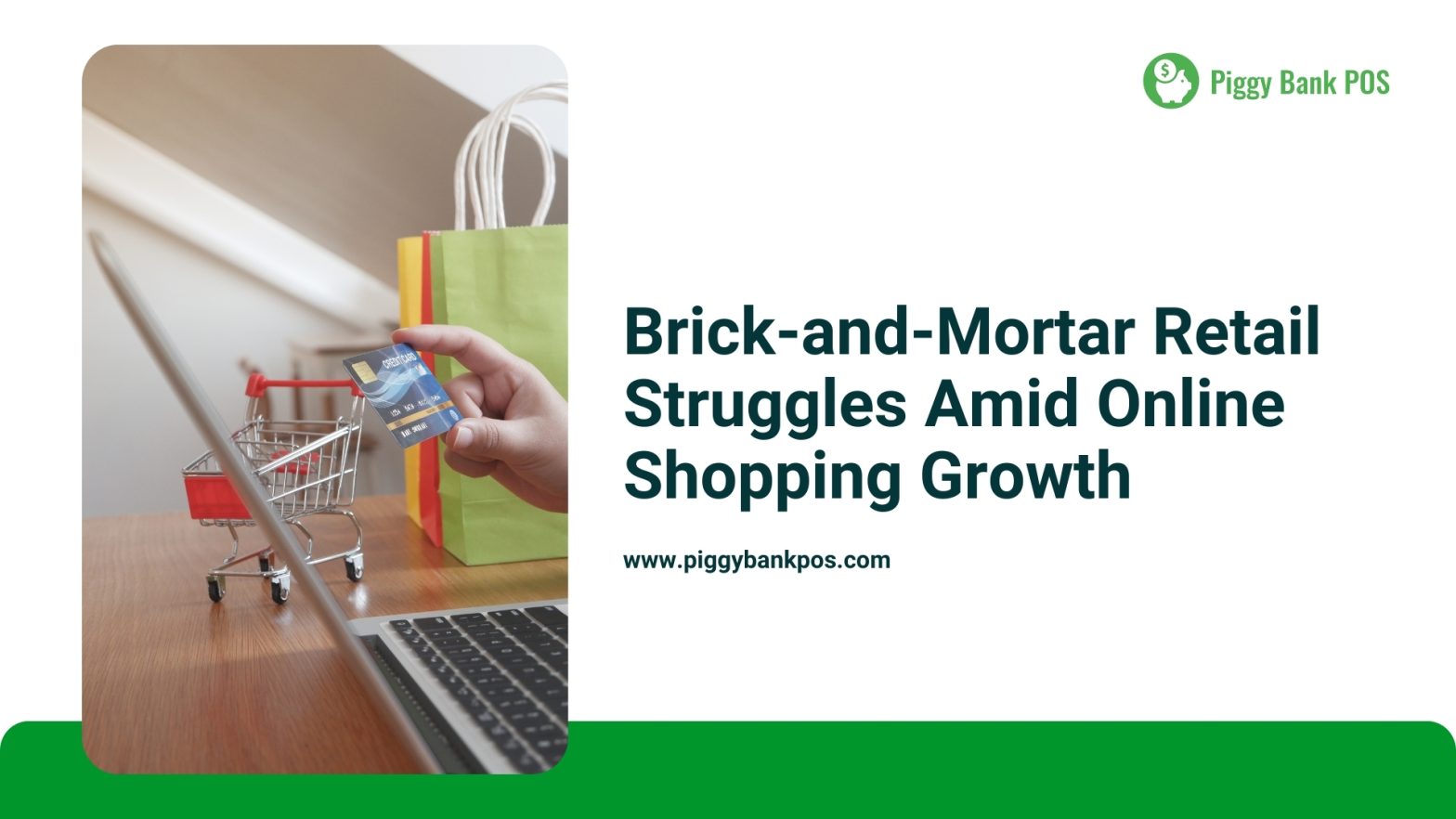
Over the past decade, consumer shopping habits have shifted dramatically. With the convenience of mobile apps, fast delivery, and endless product options, more customers are choosing online shopping over visiting physical stores. As a result, many brick-and-mortar retail businesses are facing declining foot traffic, shrinking margins, and increased competition.
However, physical retail is far from dead. The key is adaptation. Let’s explore why traditional retail stores are struggling and what they can do to stay competitive in a digital-first world.
1. Changing Consumer Behavior
Today’s customers value:
- Convenience and speed
- Easy price comparisons
- Home delivery options
- Digital payment flexibility
- Personalized recommendations
Online platforms provide all of this in just a few clicks. Retail stores that fail to adapt to these expectations often lose customers to digital competitors.
2. Increased Operational Costs
Brick-and-mortar stores face higher fixed expenses such as:
- Rent and utilities
- Staffing and payroll
- Inventory storage
- In-store maintenance
Meanwhile, online retailers often operate with lower overhead and centralized warehouses, giving them a pricing advantage.
3. Inventory and Data Challenges
Traditional retail stores sometimes struggle with:
- Overstocking or understocking products
- Lack of real-time inventory tracking
- Limited customer data insights
Online retailers use data analytics to track buying patterns, optimize stock levels, and personalize offers something physical stores must now adopt to stay competitive.
4. The Importance of Omnichannel Retail
Successful retailers today combine physical and digital experiences.
- Click-and-collect options
- In-store digital kiosks
- Online ordering with local pickup
- Loyalty programs integrated across platforms
Customers expect flexibility. Retailers who blend online and offline experiences create a stronger competitive edge.
5. Improving the In-Store Experience
Physical stores still offer unique advantages:
- Immediate product access
- Personal customer service
- Hands-on product interaction
- Community engagement
By enhancing customer service, offering exclusive in-store experiences, and leveraging technology, brick-and-mortar stores can stand out.
Modernize Your Retail Store with Piggy Bank POS
Piggy Bank POS helps brick-and-mortar retailers stay competitive by providing smart point-of-sale solutions, inventory management, sales tracking, and real-time business insights. With the right POS system, retailers can improve efficiency, enhance customer experiences, and bridge the gap between physical and online retail.
Learn more at www.piggybankpos.com
#RetailBusiness #BrickAndMortar #RetailTechnology #PiggyBankPOS #PointOfSale #RetailGrowth #OmnichannelRetail #SmallBusinessSuccess #RetailInnovation #POSSystem
Releted Posts
5 Trends Shaping Experience-Driven Retail
As retail continues to evolve, experience-driven retail is taking center stage. Consumers are no longer looking for just products; they want a memorable shopping experience that resonates with their values, needs, and lifestyle. From personalized
Small Business Statistics: The Most Interesting Data of 2025
In 2025, small businesses remain a powerful force in the economy—driving innovation, creating jobs, and reshaping industries. Yet, with opportunity comes pressure: digital transformation, rising operational costs, and evolving consumer expectations are changing how business