Chicago Core Retail Vacancy Remains High
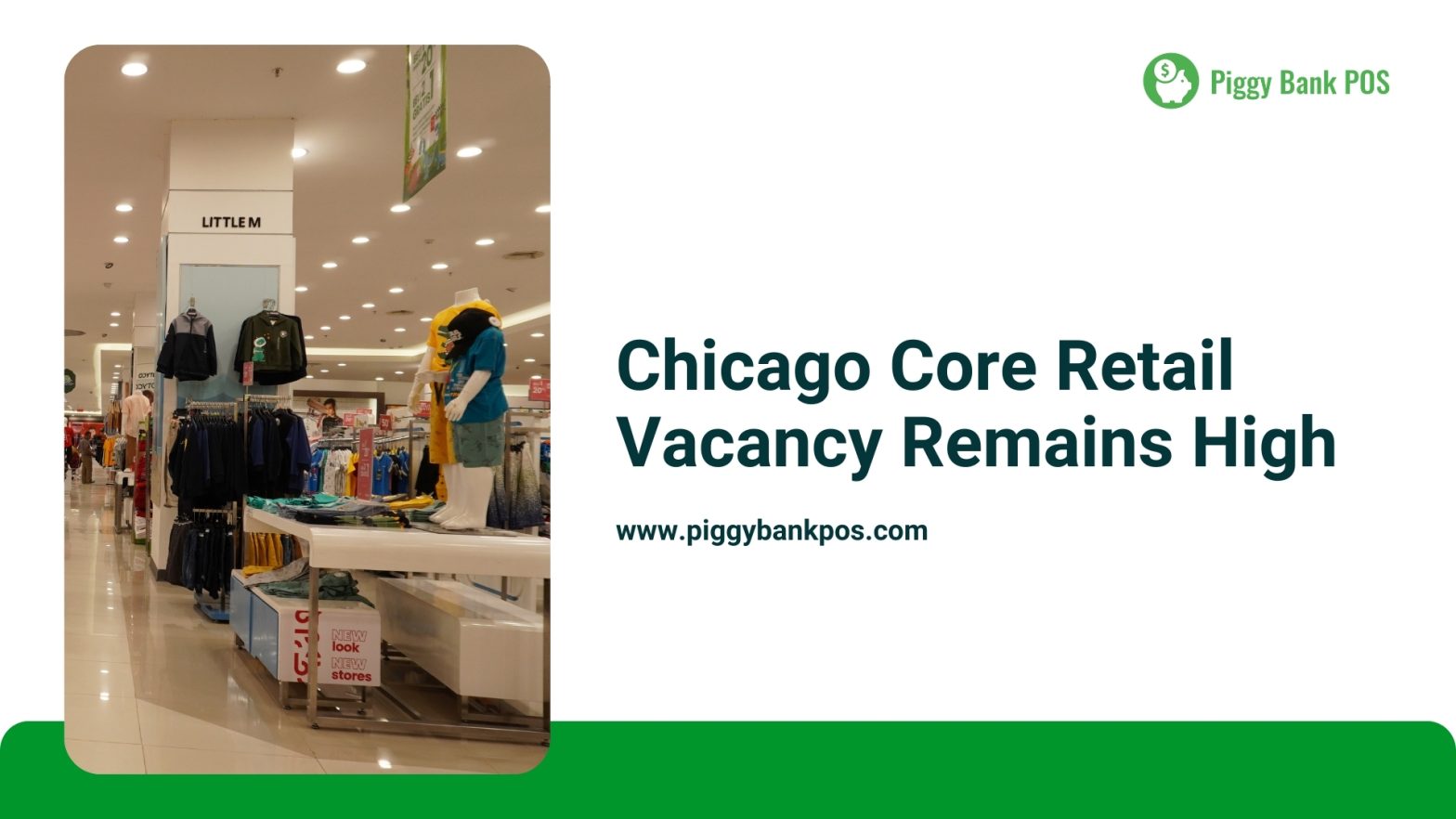
Chicago’s urban core continues to face elevated retail availability rates, signaling ongoing challenges for downtown commercial real estate. While some neighborhoods are seeing renewed activity, the central business district is still working through higher vacancy levels compared to pre-pandemic years. Shifting work patterns, changing consumer behavior, and evolving retail strategies are all contributing to this trend.
Here’s a closer look at what’s driving high retail availability in Chicago’s urban core and what it means for businesses.
1. Remote Work Continues to Impact Foot Traffic
One of the biggest factors affecting downtown retail is the sustained impact of remote and hybrid work models. With fewer workers commuting daily, foot traffic in office-heavy districts remains below historical levels. Restaurants, convenience stores, and specialty retailers that once depended on office workers are seeing slower recovery.
What this means: Retailers in urban cores must adapt to lower weekday foot traffic and adjust their offerings accordingly.
2. Consumer Behavior Has Shifted
Shoppers are increasingly prioritizing convenience and neighborhood retail over long downtown trips. Suburban retail centers and mixed-use developments closer to residential areas are performing better in many cases. Urban core retailers must rethink their value proposition to draw consumers back.
What this means: Experience-driven retail and destination concepts may help revive urban shopping districts.
3. Rent Adjustments Create New Opportunities
Higher availability rates often lead to more competitive lease terms. For emerging brands and local entrepreneurs, this could present an opportunity to secure prime downtown locations at more favorable rates. Landlords may offer flexible lease structures or incentives to attract tenants.
What this means: Retail availability can create entry points for innovative or niche businesses.
4. Shift Toward Experiential and Service-Based Retail
To fill vacancies, many urban centers are seeing a shift toward experiential retail—such as fitness studios, entertainment venues, and service-based businesses. These models focus on experiences rather than traditional product sales, helping to generate consistent foot traffic.
What this means: The future of urban retail may rely more on experiences than traditional merchandise sales.
5. Long-Term Urban Revitalization Efforts
City planners and developers are working to revitalize Chicago’s downtown core through mixed-use projects, residential development, and public space improvements. Increasing the residential population in the urban core could help stabilize retail demand over time.
What this means: Long-term solutions may depend on rebalancing work, living, and entertainment within the city center.
Final Thoughts
While Chicago’s urban core continues to face elevated retail availability, it also presents opportunities for strategic reinvention. Retailers that focus on operational efficiency, adaptability, and customer experience will be better positioned to navigate these changing market dynamics.
To help retailers manage operations efficiently during shifting market conditions, Piggy Bank POS offers an intuitive point-of-sale system designed for sales tracking, inventory management, and customer engagement.
Learn more at www.piggybankpos.com and strengthen your retail foundation.
#ChicagoRetail #RetailVacancy #UrbanRetail #CommercialRealEstate #RetailTrends #POSSystem #PiggyBankPOS #RetailStrategy
Releted Posts
Top 6 Shopify POS Alternatives and Competitors in 2025
Shopify POS has been a leading choice for retail businesses, particularly for those leveraging Shopify’s e-commerce platform. However, in 2025, the landscape of POS solutions has expanded significantly, offering businesses a variety of robust alternatives
How Pop-Up Shops Create Buzz and Build Brand Loyalty
In an era where digital and physical retail are blending like never before, pop-up shops have emerged as one of the most creative and effective ways for brands to connect with their audience. These short-term