Gen Z Postmaterialism Disrupting Retail
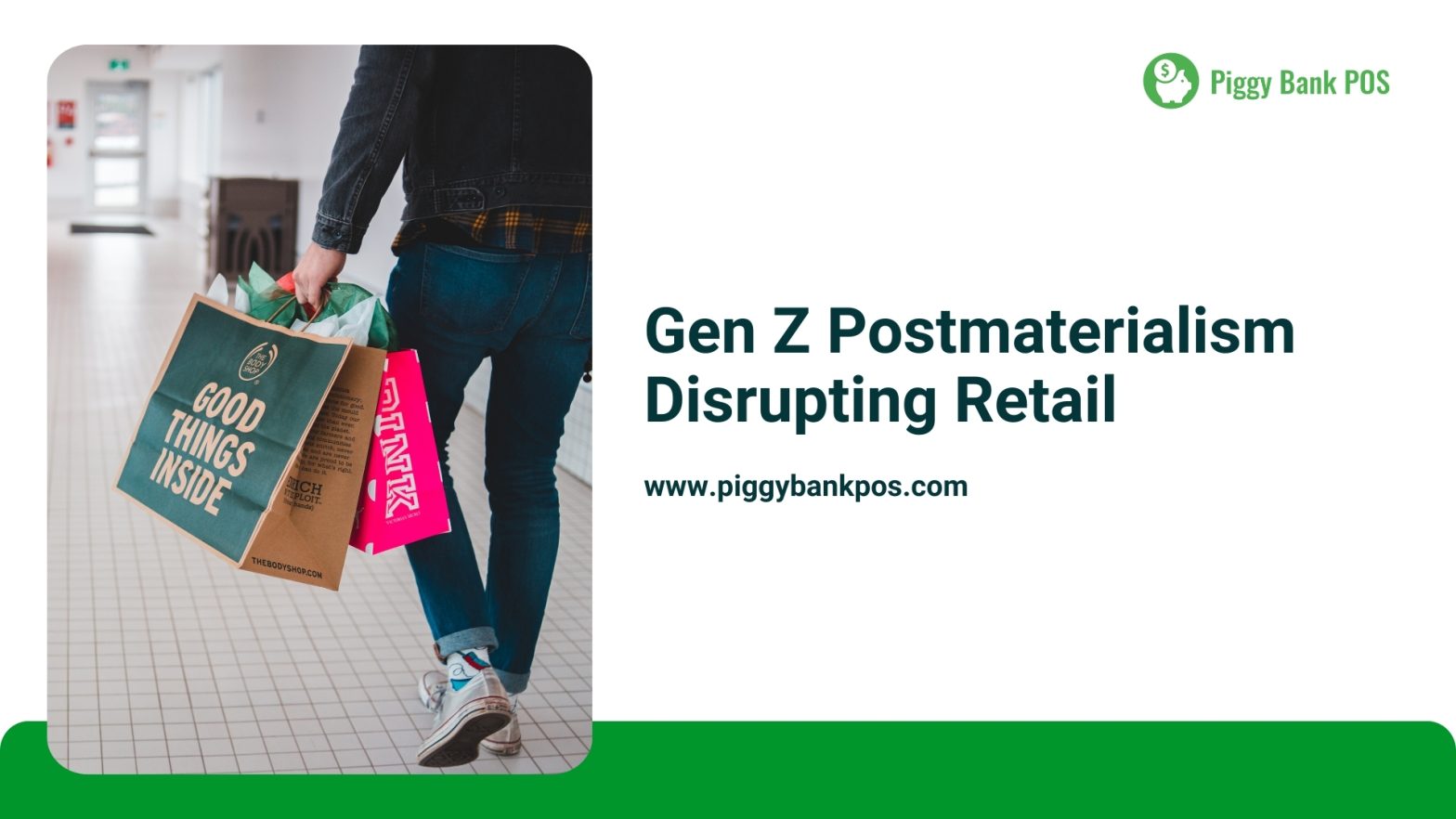
As the retail landscape continues to evolve, Gen Z, the generation born roughly between 1997 and 2012, is bringing about a significant shift in consumer behavior. Postmaterialism, a mindset that values experiences, sustainability, and social causes over material possessions, is quietly disrupting traditional retail business models. For retailers, understanding these shifts is key to staying relevant and competitive in an ever-changing market.
Let’s explore how Gen Z’s postmaterialism is impacting the retail industry and what it means for the future of consumerism.
1. The Shift from Material Goods to Experiences
Gen Z is prioritizing experiences over physical goods. While previous generations sought to accumulate material possessions, Gen Z is more interested in experiential purchases like travel, concerts, and memorable events. This shift is driving retailers to rethink their product offerings and consider how they can connect with consumers through meaningful, experience-driven interactions.
Why it matters: Retailers who focus on delivering experiences alongside products are more likely to resonate with Gen Z and attract loyal customers.
2. Sustainability and Ethical Consumption
Gen Z is known for its strong commitment to sustainability and ethical consumerism. This generation cares about how products are made, where they come from, and the environmental impact of their production. Fast fashion and brands with questionable environmental practices are being increasingly scrutinized, pushing retailers to adopt more sustainable and transparent business practices.
Why it matters: Gen Z demands eco-friendly products and transparent sustainability practices, and retailers that fail to meet these expectations may face backlash.
3. Social and Political Awareness
More than any generation before them, Gen Z is highly socially and politically aware. They are vocal about their beliefs and expect the brands they support to reflect their values, particularly around issues like social justice, diversity, and inclusion. Retailers who fail to engage with these important causes risk alienating a generation that places a premium on corporate responsibility.
Why it matters: Retailers that align their brand with Gen Z’s values will build trust and long-term loyalty with this influential demographic.
4. Minimalism and Decreased Materialism
Postmaterialism is central to Gen Z’s mindset, as they embrace minimalism and reject the excesses of consumer culture. They are more likely to invest in quality over quantity and prefer brands that emphasize simplicity and functionality over excess. This has led to the rise of secondhand shopping, sustainable fashion, and digital goods that focus on utility rather than status.
Why it matters: Retailers need to create products that emphasize longevity, utility, and value to appeal to Gen Z’s minimalist mindset.
5. The Digital-First Shopping Experience
As digital natives, Gen Z expects a seamless online shopping experience. Social media platforms, mobile apps, and e-commerce websites are now integral to the retail experience, and Gen Z expects brands to meet them where they are. Social commerce, live-streamed shopping events, and influencer collaborations are key drivers of Gen Z purchasing behavior.
Why it matters: Retailers must invest in digital channels, optimize their online presence, and create interactive experiences to engage Gen Z shoppers.
Conclusion
The retail industry is undergoing a transformation, largely driven by Gen Z’s postmaterialist values. This generation’s focus on experiences, sustainability, and social responsibility is reshaping how brands interact with consumers and how they sell products. To stay competitive, retailers must adapt to these shifts by embracing eco-friendly practices, delivering meaningful customer experiences, and offering products that align with Gen Z’s values.
To streamline your retail operations and keep up with changing consumer preferences, Piggy Bank POS offers a reliable point-of-sale system with advanced features for inventory management, sales tracking, and customer engagement.
Learn more at www.piggybankpos.com and stay ahead of the curve.
#GenZ #Postmaterialism #RetailTrends #Sustainability #ConsumerBehavior #EcoFriendly #PiggyBankPOS #RetailInnovation #CustomerExperience #SocialResponsibility
Releted Posts

Why Small Businesses Need an Efficient POS System | Boost Sales & Save Money
Running a small business is no easy task. From managing inventory and tracking sales to handling customer transactions and payments, every detail matters. An efficient Point-of-Sale (POS) system is no longer just a luxury—it’s a
The Future of Retail in 2026: What Smart Stores Are Doing Differently
Retail in 2026 looks very different from what it did just a few years ago. Rising costs, changing consumer expectations, and rapid technology adoption have pushed retailers to rethink how their stores operate. The most