US E-Commerce Sales to Reach $1.8 Trillion by 2030
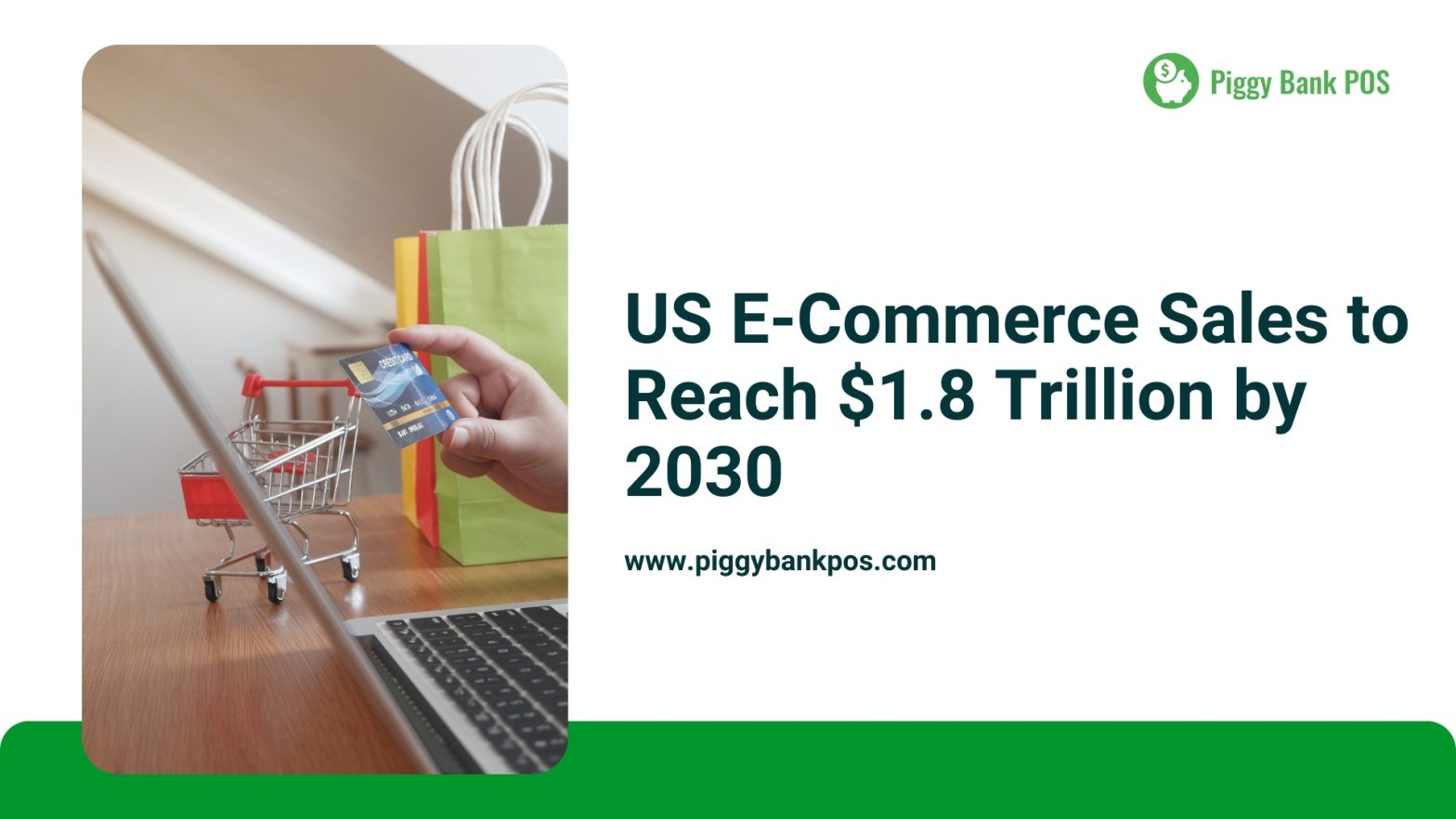
The future of e-commerce in the United States is looking incredibly bright. According to recent forecasts, US e-commerce sales are expected to reach a staggering $1.8 trillion by 2030. This growth highlights the ongoing shift in consumer shopping habits and underscores the importance of online retail for businesses across all industries.
Let’s dive into the trends and factors driving this remarkable growth in e-commerce.
1. Shift in Consumer Behavior
As shopping habits continue to evolve, consumers are increasingly turning to online platforms for both convenience and variety. With more people becoming accustomed to the ease of shopping from home, the demand for digital retail options is set to increase. Whether it’s for groceries, clothing, or electronics, consumers are looking for seamless, fast, and personalized shopping experiences.
Why it matters: As more shoppers choose e-commerce, retailers must optimize their online platforms to stay competitive and meet growing demand.
2. Growth in Mobile Shopping
Mobile commerce (m-commerce) is set to drive a significant portion of the $1.8 trillion e-commerce sales by 2030. With smartphones becoming an integral part of consumers’ lives, mobile shopping is gaining traction, making it easier for shoppers to browse, shop, and make payments on the go. Retailers that offer optimized, mobile-friendly websites and apps will see a competitive advantage as m-commerce continues to grow.
Why it matters: Mobile-optimized shopping experiences are essential for capturing sales from on-the-go consumers.
3. Expansion of Social Commerce
Social commerce, or shopping directly through social media platforms, is one of the most exciting trends shaping the future of e-commerce. Platforms like Instagram, Facebook, and TikTok are allowing retailers to engage customers directly through shoppable posts, live streams, and influencer partnerships. This shift is allowing brands to connect with consumers in new and dynamic ways, creating immediate sales opportunities.
Why it matters: Social commerce will become an essential channel for driving e-commerce sales, especially among younger consumers who spend a lot of time on social media.
4. Increased Focus on Sustainability and Ethical Retail
Today’s consumers are increasingly aware of their purchasing power and the impact it has on the environment. In response, e-commerce companies are incorporating sustainable practices into their business models. From eco-friendly packaging to carbon-neutral shipping options, online retailers are meeting the growing demand for ethical and sustainable products. As environmental concerns grow, more consumers will choose brands that align with their values.
Why it matters: Sustainability is becoming a key driver for customer loyalty, and e-commerce companies that embrace it will have a competitive edge.
5. AI and Personalization Drive Growth
Artificial intelligence (AI) is already revolutionizing the way retailers understand consumer behavior. By leveraging AI-powered tools, retailers can provide highly personalized shopping experiences. From personalized product recommendations to targeted advertisements and customized pricing, AI helps companies drive conversion rates and enhance customer satisfaction.
Why it matters: Personalized shopping experiences powered by AI will increase customer loyalty and drive repeat business, contributing to the $1.8 trillion forecast.
With global access to online marketplaces, cross-border e-commerce is also seeing significant growth. Retailers are expanding their reach to international markets, providing customers with greater access to products and brands. By offering localized shopping experiences and optimizing for international shipping, U.S. retailers are poised to capture a larger portion of the global e-commerce market.
Why it matters: Cross-border e-commerce will increase opportunities for retailers to expand their customer base and drive revenue.
Final Thoughts
The forecasted growth of U.S. e-commerce sales to $1.8 trillion by 2030 signals an exciting future for online retail. Retailers who embrace mobile commerce, leverage AI for personalization, and offer sustainable, ethical options will be best positioned to capture the market share in this booming industry.
To manage your growing e-commerce operations effectively, Piggy Bank POS offers a reliable point-of-sale system with advanced features for inventory management, sales tracking, and customer engagement.
Learn more at www.piggybankpos.com and optimize your e-commerce strategy.
#EcommerceGrowth #RetailTrends #MCommerce #AIinRetail #SocialCommerce #SustainableRetail #PiggyBankPOS #POSSystem #RetailInnovation #ConsumerTrends
Releted Posts
New Retail Development Headed to Findlay
Exciting news for Findlay, as a new retail development is on the horizon! This upcoming project promises to bring a fresh wave of shopping opportunities, new businesses, and enhanced community engagement. As the demand for
5 Simple Ways to Make Your Retail Store More Eco-Friendly
Modern customers are making conscious choices; they prefer shopping from brands that care about the planet. Making your retail store eco-friendly not only helps the environment but also improves your reputation, attracts loyal customers, and