Retail in 2026: Chains and Trends Set to Lead the Comeback
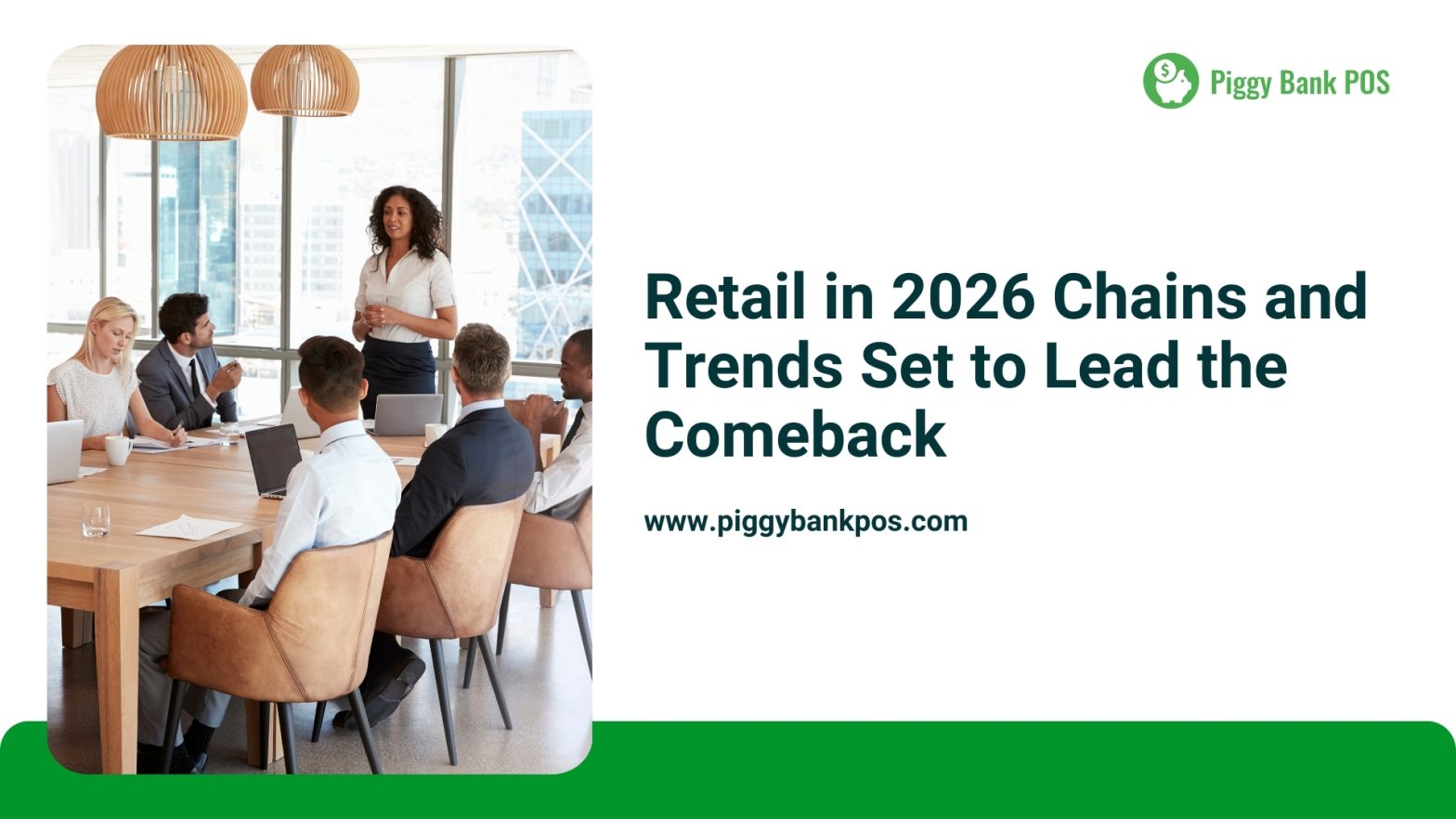
The retail landscape is set for a major shift in 2026 as businesses adapt to evolving market demands and technological advancements. Here are five key trends that will lead the way:
- Sustainable Practices
In 2026, sustainability is expected to be more than just a buzzword; it will become a primary driver of consumer choice. Shoppers are increasingly aware of their environmental footprint, and many are willing to pay a premium for products from brands that are committed to sustainable practices. This includes everything from using recyclable and biodegradable packaging to implementing energy-efficient production processes. Retailers adopting these practices will build trust and brand loyalty among eco-conscious consumers, who value transparency and responsibility in the brands they support. By aligning with the growing green movement, these companies will stand out in a crowded marketplace and appeal to a broad, values-driven customer base. - AI and Automation
AI and automation are revolutionizing the retail industry by increasing efficiency and personalizing customer interactions. In 2026, retailers will leverage AI to enhance everything from inventory management to customer service. AI-driven predictive analytics can help businesses forecast demand, optimize stock levels, and automate restocking. Furthermore, AI-powered chatbots and virtual assistants will provide round-the-clock customer service, assisting shoppers with product recommendations, order inquiries, and even processing transactions. Automation in the form of self-checkouts, robotic process automation (RPA), and drone deliveries will help reduce operational costs while improving customer satisfaction. The integration of AI and automation is no longer optional; retailers who embrace these technologies will have a competitive edge in a fast-paced market. - Omnichannel Shopping
In 2026, customers expect a unified shopping experience across all platforms. Whether online, in-store, or on mobile apps, they want to be able to browse, shop, and interact with brands seamlessly. Omnichannel strategies ensure that customers can start their journey on one platform and easily transition to another without losing any part of the experience. For example, a shopper might browse a retailer’s website, check availability in-store, and then choose to pick up their purchase curbside. Retailers who adopt omnichannel strategies will improve customer convenience and loyalty by offering greater flexibility in how and where their customers shop, resulting in higher conversion rates and increased brand loyalty. - Localized Shopping Experiences
As people become more invested in their local communities, the demand for localized shopping experiences is growing. In 2026, retailers will increasingly tailor their offerings to fit the needs and desires of specific regions. This can involve offering exclusive products that cater to local tastes, collaborating with regional influencers, or launching neighborhood-based marketing campaigns. This trend is also reflected in the rise of “local first” initiatives, where brands prioritize sourcing materials and products from within the community. By focusing on localized experiences, retailers can create stronger emotional connections with their customers, building a sense of belonging and loyalty that encourages repeat business. - Experiential Retail
As e-commerce continues to gain dominance, physical stores must adapt by offering more than just products; they must provide experiences that can’t be replicated online. Experiential retail is all about creating engaging, immersive environments that captivate customers and make their visit memorable. In 2026, expect to see more brands incorporating interactive displays, in-store events, live demonstrations, and pop-up experiences into their retail spaces. This trend allows customers to connect with brands on a deeper level, offering them unique experiences that go beyond traditional shopping. Experiential retail not only drives foot traffic but also fosters brand loyalty, as customers are more likely to return to a store that offers them something more than just a transaction.
Boost your retail operations with Piggy Bank POS, an intelligent retail management system designed to streamline your business processes and enhance customer satisfaction. Piggy Bank POS helps retailers stay ahead of these trends by providing tools for automation, seamless omnichannel integration, and efficient inventory management. With Piggy Bank POS, you can embrace the future of retail with confidence.
Explore more at www.piggybankpos.com
#RetailInnovation #RetailTrends2026 #PiggyBankPOS #SustainabilityInRetail #AIInRetail #OmnichannelExperience #ExperientialRetail #FutureOfRetail #SmartRetailSolutions #RetailTech #CustomerExperience #RetailSuccess #RetailGrowth
Releted Posts
From Payments to Inventory: One POS System to Manage It All
Running a retail business means juggling multiple tasks—accepting payments, tracking inventory, managing employees, and keeping customers happy. Without the right tools, this can become overwhelming. That’s where an all-in-one POS system comes in. With a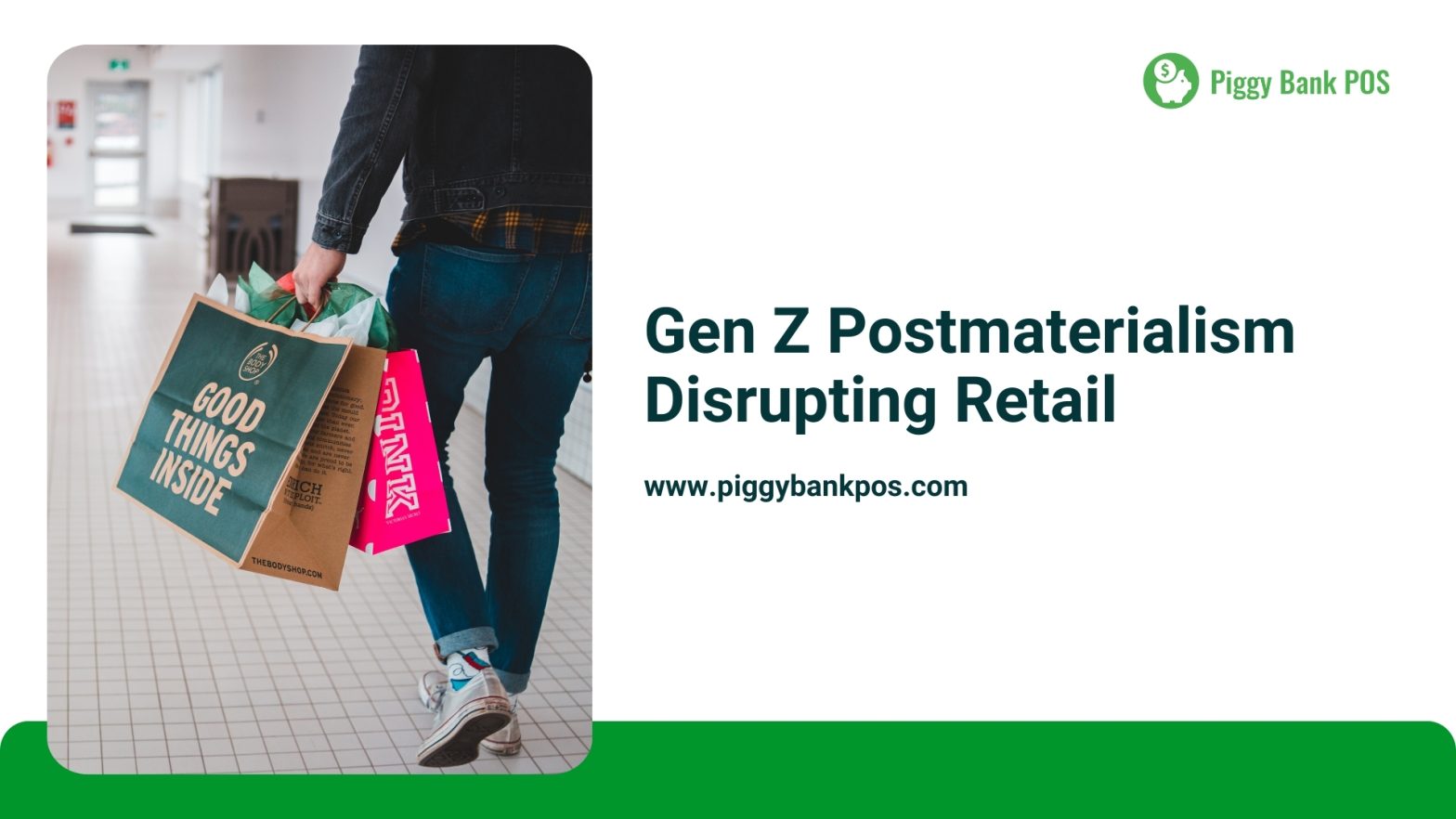
Gen Z Postmaterialism Disrupting Retail
As the retail landscape continues to evolve, Gen Z, the generation born roughly between 1997 and 2012, is bringing about a significant shift in consumer behavior. Postmaterialism, a mindset that values experiences, sustainability, and social