How Store Layouts Influence Sales
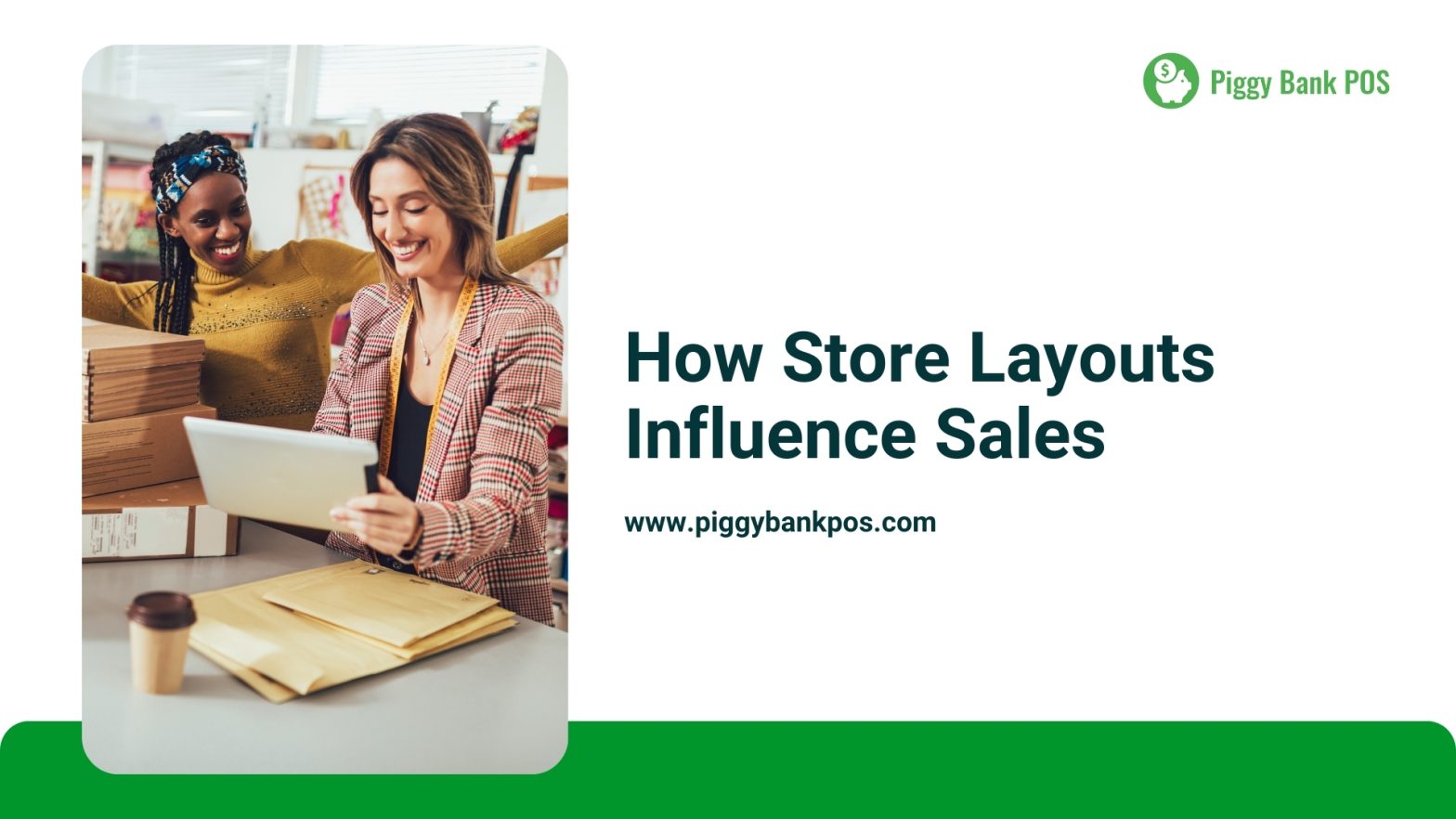
The design and layout of a retail store play a crucial role in shaping the shopping experience. A well-thought-out store layout can not only enhance the customer journey but also significantly boost sales. Retailers understand that the way products are displayed, the store’s flow, and how the environment influences consumer behavior can all affect the bottom line. Let’s explore how store layouts influence sales and how different elements come together to maximize profitability.
1. Creating an Engaging Customer Experience
A store’s layout sets the tone for the entire shopping experience. If the store is easy to navigate and visually appealing, customers are more likely to spend time exploring the products. A well-organized store with wide aisles, clear signage, and an inviting atmosphere makes it easier for customers to shop and encourages them to make purchases.
2. Strategic Product Placement
Product placement is a powerful sales strategy. Placing high-margin or best-selling items at eye level or in key areas where customers naturally walk helps increase visibility and drive purchases. Additionally, positioning complementary products together (e.g., pairing shampoo with conditioner) can lead to higher sales by prompting customers to purchase more items.
3. The Role of Signage and Visual Merchandising
Effective signage and creative visual displays guide customers through the store, highlight promotions, and create excitement around new arrivals. Clear, compelling signage directs shoppers to sales, seasonal items, or limited-time offers, encouraging impulse purchases and making the shopping experience more enjoyable.
4. The Power of Store Zoning
Zoning involves dividing the store into specific areas to make it easier for customers to find what they’re looking for. By organizing sections based on product categories or themes, stores can increase exposure to a wider variety of products. For example, creating a designated clearance zone can attract bargain hunters and encourage additional purchases.
5. The Flow of Customer Traffic
A well-planned store layout encourages smooth foot traffic flow, ensuring customers have access to key sections without feeling cramped or frustrated. Store layouts that guide customers in a circular path or along a specific route help maximize exposure to various product sections. This method increases the likelihood of customers seeing more items and making additional purchases. A clear, quick checkout area also ensures a positive customer experience, preventing frustration and potential abandoned purchases.
Conclusion:
Store layout plays a vital role in influencing consumer behavior and boosting sales. By focusing on strategic product placement, effective signage, creating zones, and understanding the flow of traffic, retailers can improve customer engagement and drive revenue.
For store owners looking to optimize their operations and enhance the shopping experience, integrating a modern POS system like Piggy Bank POS is a great option. With its intuitive interface, powerful features, and seamless transaction capabilities, Piggy Bank POS can help streamline store management and increase sales.
To learn more about how Piggy Bank POS can benefit your business, visit www.piggybankpos.com.
#StoreLayout #RetailSales #POSSystem #CustomerExperience #PiggyBankPOS #RetailMarketing #BusinessGrowth #ProductPlacement
Releted Posts
Your Retail POS System Might Be Costing You More Than You Think
When you first set up your retail business, one of the most important decisions you’ll make is choosing your point of sale (POS) system. It’s easy to get caught up in flashy features and promises
Utilising Competitor Comparison for Marketing & Content Creation
In a crowded market, it’s not enough to simply say your product is better — you need to prove it. That’s where competitor comparison marketing comes in. For software platforms like Universell Invoices, leveraging direct