The CMO’s Guide to Customer Engagement in Retail
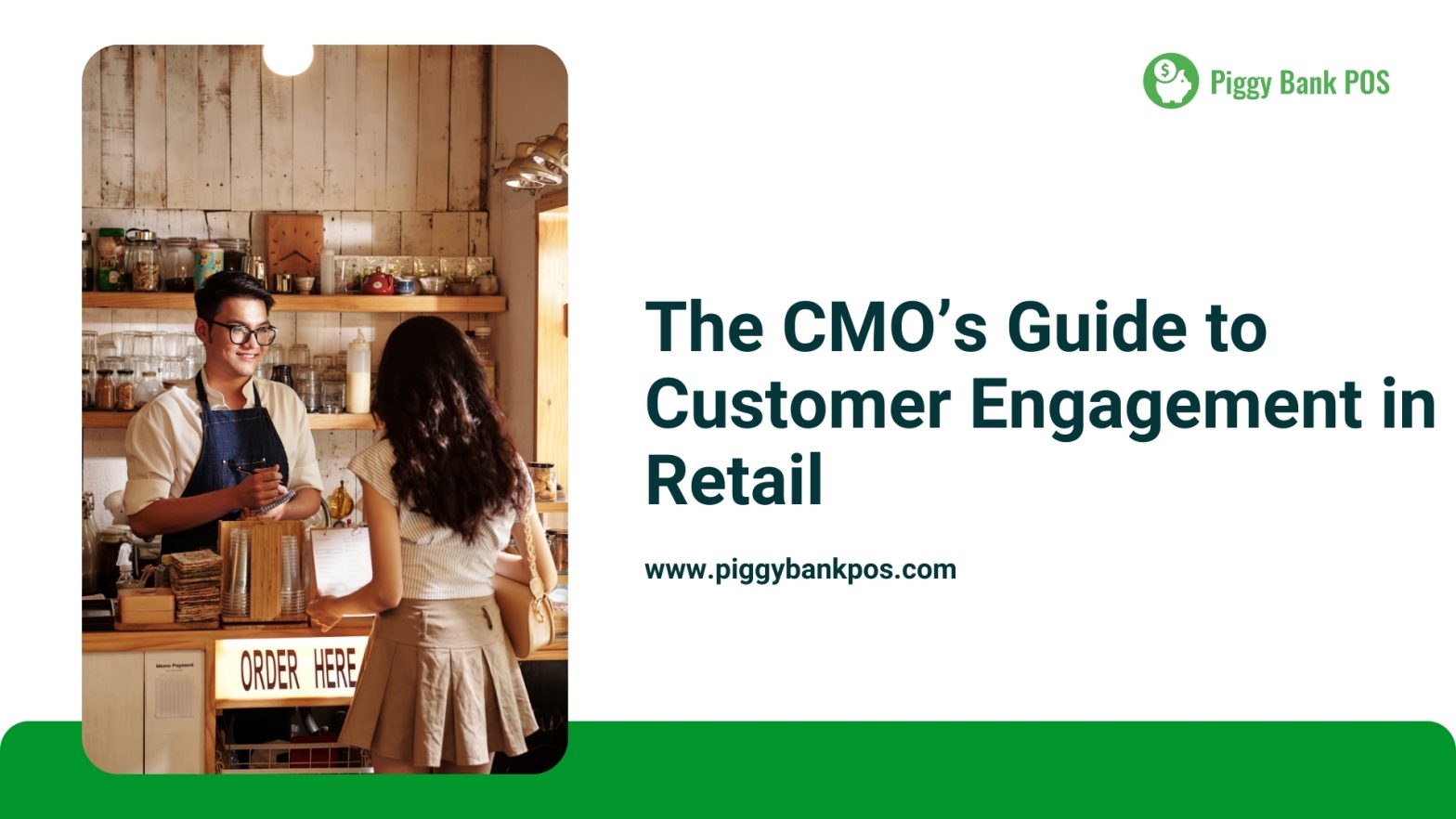
Customer engagement is no longer a “nice-to-have” in retail – it’s the lifeline of brand loyalty, repeat purchases, and sustained profitability. In 2025’s competitive landscape, CMOs must leverage data, personalization, and experiential marketing to connect with customers in ways that drive measurable results.
1. Understanding the New Retail Consumer
- Omnichannel expectations: Today’s shoppers move seamlessly between online and offline channels.
- Hyper-personalization: 78% of consumers are more likely to buy when brands tailor offers to their needs.
- Values-driven buying: Sustainability, inclusivity, and authenticity influence brand loyalty.
2. Key Engagement Strategies for CMOs
a. Personalization at Scale
- Using AI-driven analytics to tailor promotions, recommendations, and messaging.
- Examples: Targeted loyalty offers via email, push notifications with personalized discounts.
b. In-Store Experiences
- Pop-up events, product demos, and interactive displays to enhance foot traffic.
- Integration of mobile checkout and contactless payments for convenience.
c. Community Building
- Branded communities on social media and exclusive member events.
- Leveraging user-generated content for trust and authenticity.
3. Technology as the Engagement Engine
- Retail CRM systems to track and predict customer behavior.
- POS integration to connect transaction data with marketing automation.
- Example: Piggy Bank POS enabling retailers to use purchase history to trigger targeted cash-back or discount offers.
4. Measuring Engagement Success
- KPIs: Repeat purchase rate, customer lifetime value (CLV), net promoter score (NPS).
- Using A/B testing for campaigns and promotions.
5. Cost-Saving Tip for CMOs
Engagement is about building relationships, but profit margins keep the lights on. Many retailers lose 2-4% of revenue to credit card processing fees – funds that could be reinvested in marketing. With a Cash Discount Program from Piggy Bank POS, you can pass those fees to card users while rewarding cash, check, and debit customers with discounts. That means more budget for loyalty programs, events, and personalization – without cutting into profits.
Conclusion
CMOs in retail face a unique challenge: balancing cutting-edge engagement with operational efficiency. The brands that succeed in 2025 will be those that deliver personalized, meaningful customer experiences while keeping costs under control.
Modern POS systems now go beyond payment processing, offering built-in scheduling, invoicing, CRM, and inventory management tools to streamline retail operations and boost customer engagement.
To learn more visit www.piggybankpos.com
#RetailMarketing #CMOInsights #CustomerEngagement #RetailTech #POSSystem #InventoryManagement #CRM #RetailInnovation #Omnichannel #RetailStrategy
Releted Posts
5 Best Clover POS Alternatives & Competitors in 2025
Clover POS has earned its reputation as a versatile point-of-sale system for small to medium-sized businesses, offering features like payment processing, inventory management, and reporting tools. However, it’s not a one-size-fits-all solution. Depending on your
Warehouse Optimization: 5 Tips for Faster, Smarter Fulfillment
In the world of warehousing and fulfillment, speed and accuracy are everything. Whether you’re shipping direct-to-consumer or handling B2B orders, optimizing your warehouse can drastically improve productivity, reduce costs, and boost customer satisfaction. Here are