9 Case Studies That Prove Experiential Retail Is the Future
The retail world has shifted. Consumers no longer walk into stores just to buy—they walk in to experience. As online shopping grows more convenient, brick-and-mortar retailers must evolve to stay competitive. That’s where experiential retail comes in: a strategy that turns stores into immersive environments where engagement, emotion, and storytelling matter as much as the product.
Need proof that experiential retail works? Let’s look at 9 real-world case studies where businesses have redefined what it means to shop—and succeeded in doing so.
1. Nike House of Innovation (New York & Shanghai)
Nike’s flagship stores are designed to feel like futuristic playgrounds. Shoppers can customize shoes on-site, use the app to reserve try-on items, and interact with AR installations. Every element is designed to blur the lines between physical and digital retail.
🧠 Key Lesson: Technology doesn’t replace retail—it enhances it when used right.
2. Sephora’s Virtual Artist and Beauty Workshops
Sephora transformed its stores into beauty studios. Customers can attend in-store tutorials, join skincare classes, and use AR mirrors to “try on” makeup. The result? An engaging experience that blends convenience, education, and fun.
🧠 Key Lesson: Customers crave guidance and interactivity—not just product displays.
3. Apple’s “Town Squares”
Apple Stores don’t feel like stores—they feel like community spaces. With live demos, workshops, and open layouts, Apple invites customers to stay longer, explore, and learn, creating a deeper brand relationship.
🧠 Key Lesson: When shoppers feel like guests, they become loyal fans.
4. Glossier Pop-Up Experiences
Glossier, the DTC beauty brand, launched pop-up stores that felt like immersive art exhibits—mirrors, flower walls, and selfie stations included. These temporary shops drew massive foot traffic and became viral sensations.
🧠 Key Lesson: Temporary doesn’t mean forgettable. Pop-ups can create permanent impressions.
5. Canada Goose Cold Rooms
To showcase their winter apparel, Canada Goose installed “cold rooms” inside stores—actual sub-zero spaces where shoppers can test the warmth of jackets. The brand let customers feel the difference before they buy.
🧠 Key Lesson: Sensory experiences build deeper emotional connections to products.
6. Eataly’s Culinary Marketplace
Part grocery, part restaurant, part learning center—Eataly’s format encourages customers to shop, eat, learn, and socialize in one space. From cooking demos to wine tastings, each visit is a full culinary experience.
🧠 Key Lesson: Blending shopping with lifestyle creates stronger emotional ties.
7. Lululemon’s In-Store Yoga & Events
Lululemon stores host community events, fitness classes, and wellness seminars—right in the store. These free events position the brand as more than just apparel—it’s a wellness destination.
🧠 Key Lesson: Experiential retail builds community, not just transactions.
8. Warby Parker’s Educational Shopping Journey
Warby Parker reimagined eyewear shopping with touchscreen tools, trial mirrors, and storytelling about each product. Some stores even include libraries, making the experience feel curated and personal.
🧠 Key Lesson: Education + ambiance = confident shoppers and increased conversions.
9. LEGO Stores with Play Zones and AR
LEGO stores aren’t just for buying—they’re for building. Play areas, AR experiences, and custom LEGO minifigure stations turn shopping into family time. Kids don’t want to leave—and neither do parents.
🧠 Key Lesson: Interactivity leads to memorable, repeatable visits.
🔮 The Future Is Experience-Driven
These case studies prove that retail success is no longer about shelves—it’s about stories. When customers are invited to interact, explore, and engage, they form deeper emotional connections that drive loyalty and spending.
But creating a powerful in-store experience means having the right technology behind you.
💡 How Piggy Bank POS Supports Experiential Retail
Whether you’re running a boutique, hosting pop-ups, or offering classes and services, your POS system should enhance—not limit—your retail experience. That’s where Piggy Bank POS comes in.
✨ Features Built for Modern Retail:
- Fast, intuitive checkout — keep lines short, even during events
- Mobile POS terminals — great for floor interaction, demos, or pop-ups
- Custom pricing tools — support workshops, bundles, and promotions
- Cash Discounting — eliminate card processing fees and reinvest in experiences
- Real-time inventory tracking — know what’s moving during activations
- No long-term contracts — scale or pivot anytime
🚀 Make Every Customer Visit an Experience
Experiential retail is the future—Piggy Bank POS helps you get there.
Save money, streamline operations, and create unforgettable customer interactions.
Visit us : www.piggybankpos.com
#ExperientialRetail #RetailExperience #POSInnovation #RetailTrends2025 #CustomerEngagement #RetailMarketing #PiggyBankPOS #CashDiscounting #SmallBusinessSuccess #InteractiveRetail #InStoreExperience #RetailTech
Releted Posts
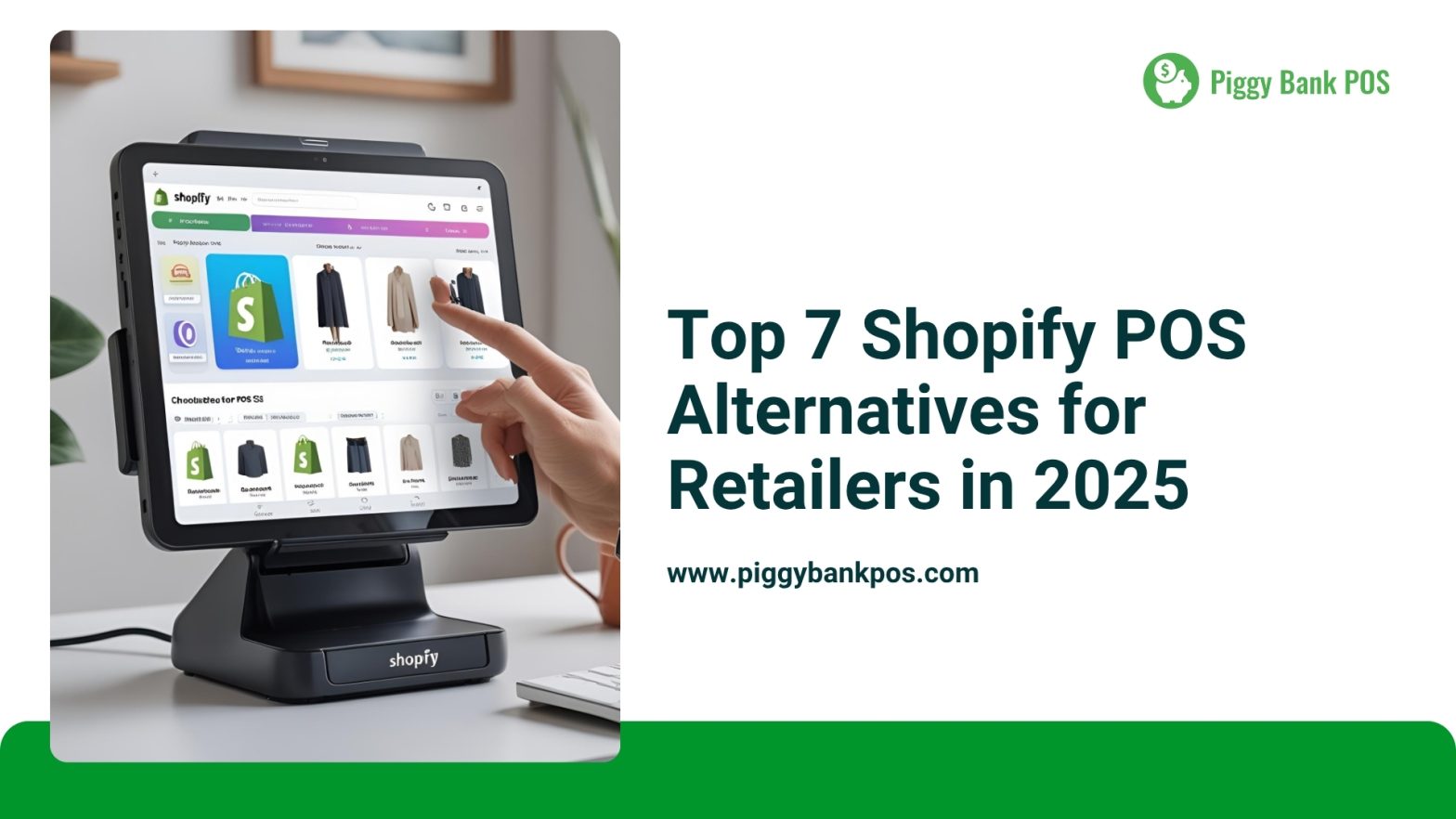
Top 7 Shopify POS Alternatives for Retailers in 2025
Shopify POS is a well-known player in the retail point-of-sale world, especially for online-first businesses. But it’s not always the perfect fit—especially for brick-and-mortar retailers who want lower processing costs, more hardware flexibility, or better
Gen Z Postmaterialism Disrupting Retail
As the retail landscape continues to evolve, Gen Z, the generation born roughly between 1997 and 2012, is bringing about a significant shift in consumer behavior. Postmaterialism, a mindset that values experiences, sustainability, and social