The Hidden Costs of a Bad Payment Experience and How to Fix Them
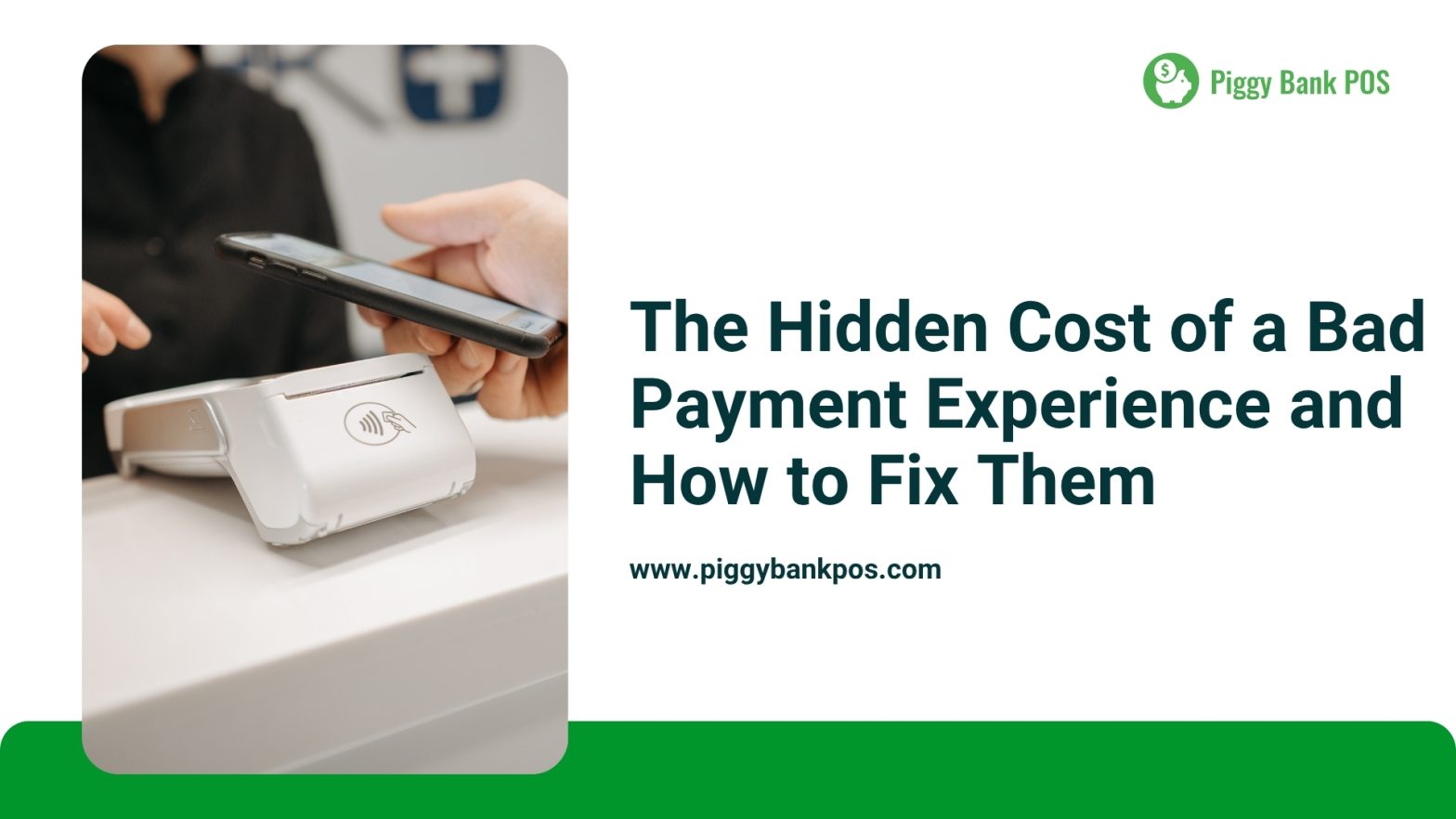
In today’s competitive e-commerce and retail environment, a smooth and seamless payment experience is essential for keeping customers satisfied and engaged. However, many businesses overlook the critical role that the payment process plays in converting leads into loyal customers. A bad payment experience—whether it’s caused by a slow, confusing, or insecure payment process—can result in more than just abandoned carts. It can have long-lasting financial and reputational costs that impact your bottom line.
1. Loss of Revenue from Abandoned Carts
One of the most immediate and obvious costs of a bad payment experience is cart abandonment. In fact, research shows that around 70% of online shopping carts are abandoned before checkout is completed. A poor payment process is one of the leading causes of this behavior. If your checkout is complicated, the payment page is slow, or customers face unexpected fees, they’re likely to give up and leave your site without completing their purchase.
Solution: To combat cart abandonment, streamline the checkout process. Minimize the number of steps required to complete a purchase, offer multiple payment options, and ensure the process is optimized for both desktop and mobile users.
2. Negative Impact on Customer Trust
A subpar payment experience not only leads to frustration but also damages customer trust. When customers feel that their payment data isn’t secure or that the process is cumbersome, they may abandon the transaction and take their business elsewhere. In today’s digital landscape, customers are increasingly aware of the risks of online fraud and are less likely to trust a website with poor payment security.
Solution: Ensure your payment system is secure by implementing encryption, using secure payment gateways, and displaying security badges that reassure customers. Transparency about your security measures goes a long way in building customer trust.
3. Reduced Customer Loyalty
A bad payment experience isn’t just a one-time issue. If customers have a frustrating payment experience, they may be less likely to return to your site in the future. Poor checkout systems lead to a negative first impression and a feeling of inconvenience, which can drive customers to competitors who offer a more seamless experience.
Solution: Create an easy-to-navigate checkout experience that builds trust and reduces friction. Offering a guest checkout option, storing payment information securely for future purchases, and offering loyalty programs can help enhance customer retention and encourage repeat purchases.
4. Increased Operational Costs
A bad payment experience can also increase operational costs. For example, if your payment process is complex and prone to errors, your customer support team may face a higher volume of calls and queries related to payment issues. Additionally, customers may request refunds or chargebacks, which can be both time-consuming and costly to resolve.
Solution: Streamline your payment flow to reduce errors and the need for customer service intervention. Automate invoice generation, offer clear billing statements, and keep your payment system up-to-date to ensure a smooth transaction process every time.
5. Brand Reputation Damage
In an age of online reviews and social media, negative customer experiences can quickly spread and tarnish your brand’s reputation. If customers face issues with your payment system, they may share their frustrations on social platforms, leaving bad reviews or discouraging others from purchasing from you. This can harm your brand’s image and make it more difficult to attract new customers.
Solution: Deliver a positive, seamless payment experience to leave customers with a good impression. Invest in an intuitive and secure payment system that works consistently across all devices. Respond promptly to any issues or complaints, and use customer feedback to continuously improve your checkout process.
6. Impact on Mobile Users
As mobile commerce continues to grow, it’s critical to ensure that your payment system is optimized for mobile devices. A poor mobile checkout experience can deter potential buyers who prefer shopping on their phones. Slow load times, complex forms, and mobile payment difficulties can lead to lost sales.
Solution: Implement a mobile-friendly checkout system that is responsive and quick. Optimize your payment pages for mobile users by reducing unnecessary steps and ensuring that the payment forms are easy to fill out on smaller screens.
How to Fix a Bad Payment Experience
To mitigate these hidden costs, businesses must prioritize optimizing their payment systems. Here are a few steps you can take to improve the payment experience for your customers:
- Simplify Your Checkout Process: Reduce the number of steps needed to complete a purchase and ensure that the payment process is intuitive.
- Provide Multiple Payment Options: Offer a variety of payment methods, including credit/debit cards, digital wallets, and mobile payments, to cater to different customer preferences.
- Ensure Security: Use secure payment gateways, implement SSL encryption, and display trust badges to reassure customers that their payment information is safe.
- Optimize for Mobile: Make sure your payment system is mobile-friendly, with responsive designs that cater to mobile shoppers.
- Speed Up Payment Processing: Minimize delays in payment processing to ensure a seamless, efficient experience.
- Offer Customer Support: Provide easy access to customer service for any payment-related issues, and ensure timely resolutions to prevent frustration.
Conclusion: Streamlining Your Payment Experience
A smooth, efficient payment process is essential for not only reducing cart abandonment but also enhancing customer trust, loyalty, and overall satisfaction. By taking steps to streamline your checkout process and address common payment issues, you can mitigate the hidden costs of a bad payment experience and turn your payment system into a competitive advantage.
To learn more about optimizing your checkout and payment experience, join our upcoming webinar: The Payment Experience: Optimizing the Final Step. You’ll learn actionable strategies to streamline your checkout, boost conversions, and leverage payment data—plus exclusive bonuses for attendees!
#PaymentExperience #CheckoutOptimization #EcommerceTips #BoostConversions #CustomerTrust #MobilePayments #PaymentSecurity #OnlineShopping #EcommerceStrategy #CustomerSatisfaction #RetailTips #CartAbandonment #PaymentProcessing #BusinessGrowth #SecurePayments #PaymentSolutions #EcommerceSuccess #DigitalPayments #CustomerLoyalty #OptimizeCheckout #SmallBusinessTips
Releted Posts
Why Smart Retailers Are Letting AI Lead Their Marketing & Merch Strategies
Retail is changing fast and the smartest retailers aren’t trying to keep up manually anymore. They’re letting AI take the lead, especially in two of the most important areas: marketing and merchandising. Why? Because AI
How Eco-Friendly Practices Drive Customer Trust
In today’s competitive marketplace, building trust with customers is more important than ever. While factors like product quality, pricing, and customer service remain critical, an increasingly influential element is sustainability. Consumers are growing more conscious