The Credit Card Chargeback Process Explained: What Retailers Need to Know
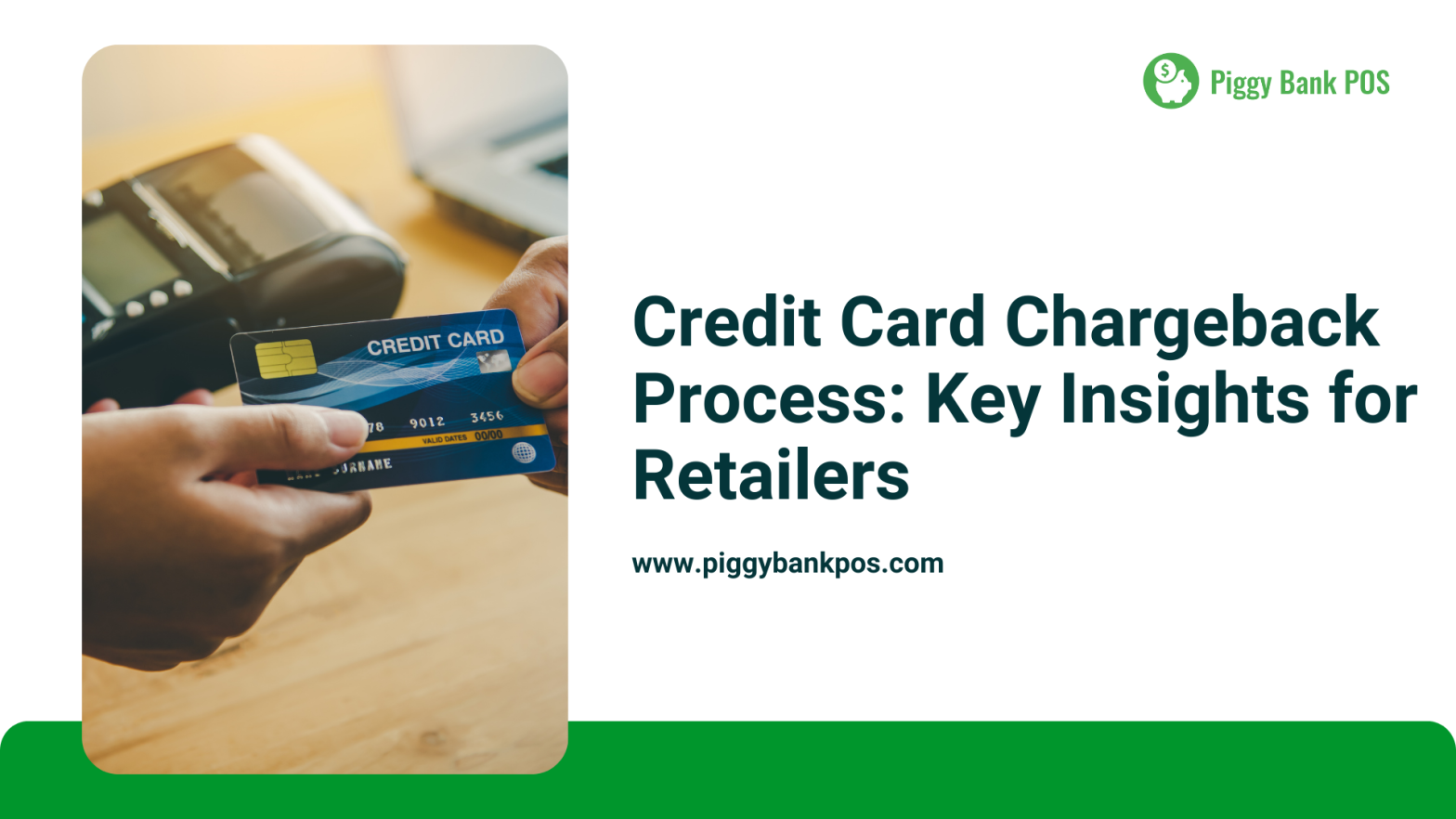
In today’s retail world-both online and in-store-credit card payments are a must. But with the convenience of card transactions comes a risk every retailer should understand: chargebacks.
If you’re a business owner, understanding how chargebacks work isn’t just smart-it’s essential to protecting your revenue and reputation.
💳 What Is a Chargeback?
A chargeback occurs when a customer disputes a credit card transaction and asks their card-issuing bank to reverse the charge. Unlike a traditional refund, the chargeback bypasses you (the retailer) and goes straight through the card network and banking system.
Chargebacks were originally designed to protect consumers from fraud-but today, they’re often misused, costing retailers time, money, and credibility.
🔁 The Chargeback Process: Step-by-Step
Here’s what actually happens behind the scenes:
1. Customer Files a Dispute
The cardholder contacts their issuing bank to challenge a transaction-commonly due to:
- Unauthorized/fraudulent charge
- Item not received
- Product not as described
- Duplicate charge
- Technical or billing errors
2. Bank Reviews the Claim
The issuing bank checks the basic validity of the claim. If it seems legitimate, they initiate a chargeback.
3. Merchant Is Notified
You, the retailer, receive a notice from your payment processor. The funds from the original transaction are temporarily pulled from your account.
4. You Respond with Evidence (Optional but Crucial)
You typically have 7–14 days to submit evidence proving the transaction was valid—such as receipts, shipping confirmations, or customer communications.
5. Issuing Bank Makes a Decision
Based on your evidence and the customer’s claim, the bank decides:
- In your favor: The chargeback is reversed and you get the money back.
- In the customer’s favor: The charge stands, and the money is permanently withdrawn from your account.
💸 The Hidden Costs of Chargebacks
Chargebacks are more than just lost sales. They come with:
- Chargeback fees: Typically $20–$100 per case
- Increased risk status with processors
- Potential termination of your merchant account if your chargeback ratio gets too high (1%+ is risky)
- Time and admin cost spent disputing claims
✅ How Retailers Can Prevent Chargebacks
Here are smart practices to reduce your risk:
- Use a detailed descriptor on customer statements to avoid confusion
- Always provide clear return/refund policies
- Offer delivery tracking and confirmation for shipped items
- Capture customer signatures or use chip-and-PIN for in-store purchases
- Save copies of communication with customers
- Use fraud protection tools from your POS provider or gateway
💡 Bonus Tip: Use a POS with Smart Chargeback Management
Retailers using systems like Piggy Bank POS benefit from tools that:
- Automatically log transaction details
- Provide easy access to evidence for disputes
- Include built-in fraud alerts and cash discount pricing to protect margins
Plus, by shifting to a Cash Discount Program, you can reduce card usage altogether and protect your bottom line from both fees and chargebacks.
🚀 Final Thoughts
Chargebacks are part of doing business-but they don’t have to be a constant headache. Understanding the process, preparing proper documentation, and using the right tools will help you stay protected and profitable.
Want to future-proof your retail business?
👉 Visit www.piggybankpos.com to learn how modern POS tools can simplify chargeback management and help you keep more of your money.
#RetailTips #POSSystem #Chargebacks #MerchantProtection #PiggyBankPOS #SmallBusinessHelp #CreditCardDisputes #CashDiscountProgram
Releted Posts

What to Expect from the Next Phase of Retail Media
Retail media has evolved significantly over the past few years, becoming one of the most impactful ways for retailers to connect with consumers and drive sales. In 2026, the next phase of retail media promises
5 Strategies for Successful Fresh Inventory Management
Managing fresh inventory—like produce, perishables, or trending seasonal stock—can be tricky. Overstock leads to waste. Understock? Lost sales. But with the right approach, you can minimize spoilage, boost profits, and keep your shelves perfectly stocked.