15 Successful Pricing Strategies in Retail
Pricing is one of the most powerful tools in retail. The right price can drive sales, boost profit margins, and position your brand competitively. But with today’s shoppers more informed than ever, retailers need smart, flexible strategies to win attention – and loyalty.
Whether you’re running a boutique, grocery store, or specialty shop, these 15 proven retail pricing strategies will help you move inventory and maximize revenue in 2025.
1. Cost-Plus Pricing
Set your price by adding a markup to the product’s cost. It’s straightforward and ensures a consistent profit margin.
🛒 Example: If a shirt costs $20 and your markup is 50%, you sell it for $30.
2. Keystone Pricing
A type of cost-plus where you double the wholesale cost. It’s popular in fashion and lifestyle retail.
👗 Example: Buy at $25, sell at $50.
3. Psychological Pricing
Use prices like $9.99 instead of $10.00 to make products feel more affordable. It plays into how customers perceive value.
🧠 Why it works: $9.99 feels cheaper than $10, even if the difference is only a penny.
4. Bundle Pricing
Sell multiple products together at a slightly lower price than buying individually. Great for increasing average order value.
🎁 Example: Buy 1 candle for $12 or a set of 3 for $30.
5. Penetration Pricing
Start with a low price to attract customers, then raise prices once you gain market share or loyalty.
🚀 Best for: New stores or new product launches.
6. Premium Pricing
Position products at a higher price to create a perception of quality or luxury.
💎 Ideal for: Limited-edition, artisanal, or high-end goods.
7. Loss Leader Pricing
Sell one item at a loss to attract foot traffic, knowing customers will likely buy more profitable items once inside.
🛍️ Grocery stores use this strategy all the time!
8. Anchor Pricing
Show the original price next to a sale price to make the discount more attractive.
🔖 Example: “Was $80, now $49!”
9. Value-Based Pricing
Set prices based on what your customers are willing to pay rather than the cost. This works well for unique or niche products.
🙌 Understand your audience = higher perceived value.
10. Dynamic Pricing
Adjust prices in real-time based on demand, seasonality, or stock levels. Smart POS systems help automate this.
📈 Perfect for: Flash sales, clearance, or high-demand periods.
11. Competitive Pricing
Price your products in line with (or slightly below) your competitors to stay relevant in the market.
🔍 Great for price-sensitive industries like electronics or everyday essentials.
12. Geographic Pricing
Vary your pricing by region or store location depending on demand, cost of living, or local competition.
📍 Works well for chains with multiple retail locations.
13. Seasonal Pricing
Increase prices during high-demand seasons and offer discounts during slow seasons to move stock.
🎄 Example: Raise gift item prices in December; offer clearance in January.
14. BOGO (Buy One Get One)
Everyone loves a deal! This tactic moves inventory and increases overall sales volume.
🧦 Example: “Buy one pair of socks, get one free.”
15. Membership or Loyalty Pricing
Offer exclusive prices or discounts to members of your loyalty program.
🎁 Result: More repeat customers and higher lifetime value.
No single pricing strategy fits every business. The key is to mix and test different methods to find what works best for your products, customers, and goals. Modern POS systems can help track performance and simplify adjustments in real time.
Take Control of Your Retail Success with Piggy Bank POS: More Than Just a POS System
Smart pricing is just one piece of the puzzle. With Piggy Bank POS, you get an all-in-one retail solution designed to help your business grow while reducing costs—especially with our powerful Cash Discount Pricing feature that can eliminate your credit card processing fees.
But that’s just the beginning.
Here’s what else Piggy Bank POS brings to your retail operation:
✅ Payment Processing
Accept all major payment types—including cash, credit, debit, and mobile wallets—while saving money with built-in Cash Discount functionality.
✅ Marketing Tools
Boost customer engagement with built-in loyalty programs, email marketing, SMS campaigns, and digital receipts that drive repeat business.
✅ Inventory Management
Easily track stock levels, automate reordering, manage suppliers, and monitor inventory across multiple locations in real-time.
✅ Reporting & Analytics
Get instant access to detailed sales reports, customer insights, and profit margin breakdowns to make smarter, data-driven decisions.
✅ E-Commerce Integration (Fast Shop)
Sell online with our Fast Shop feature—sync your in-store and online inventory for a seamless omnichannel experience.
✅ Employee Management
Manage staff schedules, clock-ins/outs, commissions, and performance—all from your POS dashboard.
✅ Customer Relationship Management (CRM)
Build lasting relationships with detailed customer profiles, purchase history, loyalty tracking, and targeted marketing tools.
✅ Scheduling
Easily set appointments, book services, or manage classes and reservations with built-in scheduling tools – perfect for salons, spas, and service-based retailers.
📢 Ready to take control of your pricing?
🔗 Visit www.piggybankpos.com to learn more.
#RetailPricing #POSSystem #PricingStrategies #RetailSuccess #SmallBusinessTips #RetailGrowth #PiggyBankPOS #SellSmarter #2025Retail
Releted Posts
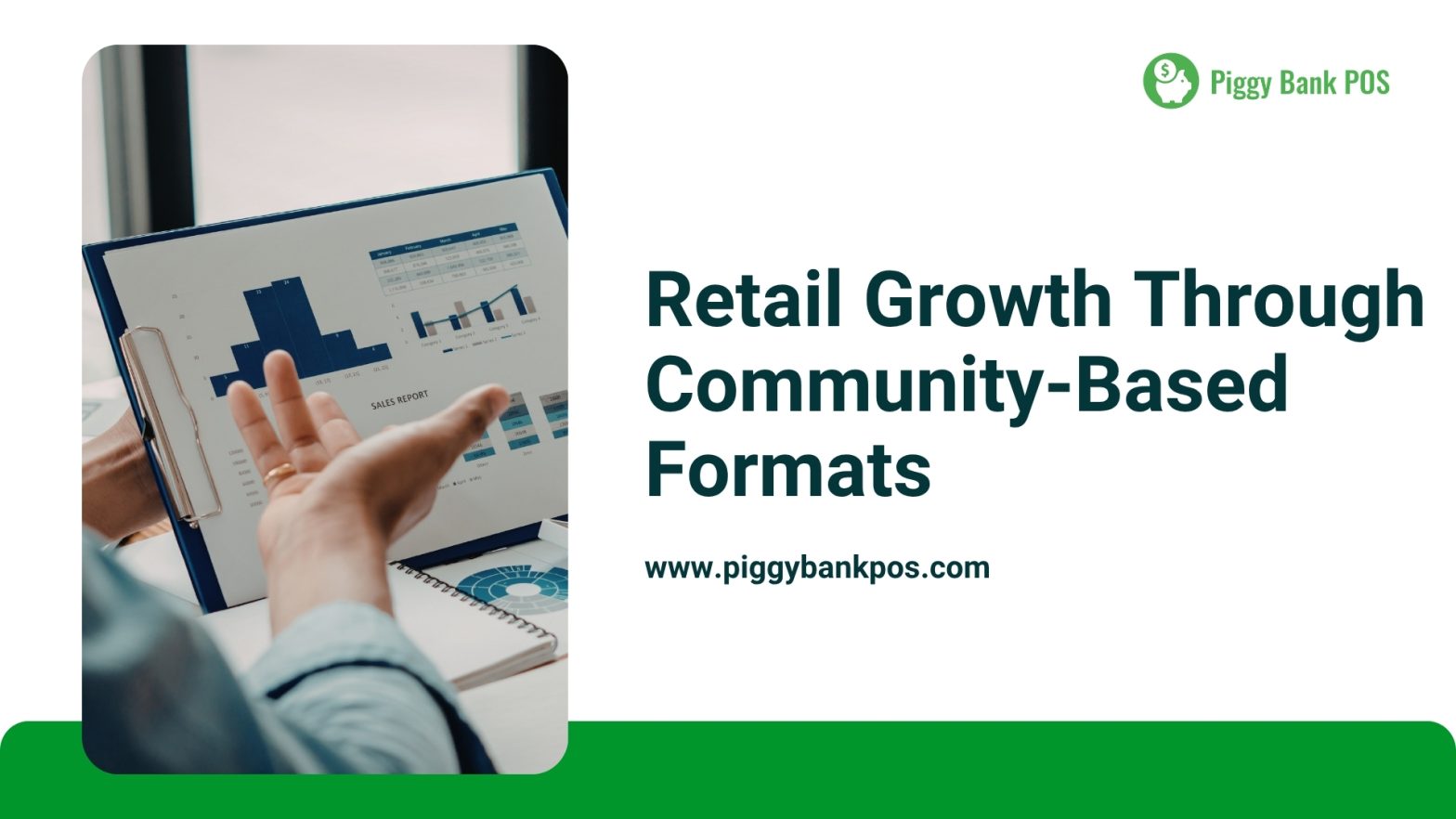
Retail Growth Through Community-Based Formats
As consumer preferences continue to evolve, global retailers are rethinking their expansion strategies. Instead of focusing only on large flagship stores, many brands are now finding success with smaller, community-based retail formats. These localized stores
How Retailers are Adapting to Gen Z’s Shopping Habits
In the ever-evolving retail landscape, one group has emerged as a dominant force: Gen Z. Born between 1997 and 2012, this generation has distinct shopping habits and preferences that are shaping the future of retail.